

Mon to Thu 09:00 – 17:30
Fri 09:00 – 17:00

In today’s fast-paced business world, companies are always on the lookout for ways to streamline their operations and manage costs effectively. Business car leasing has emerged as a popular solution for organisations seeking to maintain a fleet of vehicles without the burden of ownership. This approach allows businesses to access modern, efficient vehicles, including vans and hybrid models, while preserving capital for other crucial investments.
When it comes to leasing a vehicle for business purposes, there are several factors to consider. This guide aims to provide a comprehensive overview of business car leasing, covering everything from understanding the basics to selecting the best deals. We’ll explore the tax implications of company car leases, discuss how to choose the right vehicles for specific business needs, and examine the benefits of business contract hire. Whether you’re a small business owner or part of a larger corporation, this article will equip you with the knowledge to make informed decisions about your vehicle leasing strategy.
Business car leasing, also known as Business Contract Hire (BCH), is a popular financing option that allows companies to access vehicles without the burden of ownership. This long-term rental agreement typically lasts between 24 to 60 months, providing businesses with the flexibility to drive new vehicles every few years.
Business Contract Hire is a financial arrangement between a company and a finance provider for the use of a brand-new vehicle. The business pays fixed monthly rentals for an agreed period, usually ranging from 2 to 4 years. At the start of the deal, an initial payment is required, which is calculated as multiples of the monthly rental, typically one, three, six, or nine months.
The monthly payments are determined by factors such as the vehicle’s purchase price, contract length, annual mileage allowance, and the vehicle’s anticipated resale value at the end of the agreement. This approach allows businesses to have predictable costs and avoid the financial risks associated with vehicle ownership and depreciation.
While Business Contract Hire is the most common type of business car lease, there are other options available:
Business car leasing offers numerous advantages for companies:
By understanding these aspects of business car leasing, companies can make informed decisions about their vehicle financing strategies, potentially leading to cost savings and operational efficiencies.
When selecting a business car lease, several crucial factors require careful consideration to ensure the arrangement aligns with the company’s needs and financial capabilities.
One of the primary considerations is the company’s budget. Business car leasing offers predictable monthly costs, making it easier to manage cash flow. However, it’s essential to account for all expenses, including the initial deposit, monthly payments, maintenance costs, insurance premiums, and fuel expenses. Creating a detailed budget that encompasses all potential costs is crucial for proper financial planning.
The mileage allowance plays a significant role in vehicle leases. It refers to the maximum number of miles a car can be driven annually without incurring additional charges. Most lease contracts in the UK come with mileage limits to protect the vehicle’s residual value and manage risk. When choosing a mileage allowance, it’s crucial to select a realistic figure that aligns with the business’s needs. Companies should consider their past driving habits and calculate their average monthly mileage to estimate annual usage.
The standard lease period typically ranges from one to four years. Businesses should carefully consider the lease term length that best suits their needs. Longer leases often result in lower monthly payments but may limit flexibility. It’s important to assess the company’s long-term vehicle requirements and potential changes in circumstances before committing to a specific lease term.
Many leasing companies offer maintenance packages that cover routine maintenance costs, which can be a smart way to manage expenses. Insurance is a non-negotiable expense, and business insurance coverage often differs from personal policies. It’s advisable to shop around for the best rates and coverage to ensure the company isn’t overpaying. Some lease agreements may include maintenance as standard, relieving the lessee of routine maintenance costs.
By carefully considering these factors, businesses can make informed decisions when choosing a car lease, ensuring it aligns with their specific needs and financial capabilities.
Business car leasing offers significant tax advantages for companies. VAT-registered businesses can reclaim a portion of the VAT charged on lease payments. For most company cars, 50% of the VAT on the finance element can be reclaimed, assuming there’s some degree of private use. However, if the vehicle is used solely for business purposes, with no private use whatsoever, 100% of the VAT can be reclaimed.
For commercial vehicles like vans, the rules are more favourable. Businesses can reclaim 100% of the VAT, regardless of emissions, as long as the vehicle is used exclusively for business purposes. It’s worth noting that maintenance packages, when shown separately on the invoice, allow for 100% VAT recovery.
Limited companies can offset their monthly lease payments against corporation tax. The amount that can be offset depends on the vehicle’s CO2 emissions, as determined by HMRC. For cars with emissions of 110g/km or less, tax relief is fully available against company profits. However, for cars emitting 111g/km or more, there’s a 15% disallowance on the amount of rental that can be claimed back.
Vans are treated more favourably, with businesses able to offset 100% of the lease costs against corporation tax, regardless of emissions. This makes van leasing a particularly tax-efficient option for businesses.
When a company provides a car for an employee’s personal use, it’s considered a benefit in kind and is subject to tax. The amount of BiK tax payable depends on three factors: the vehicle’s P11D value (list price plus VAT, delivery charges, and options worth over £100), its CO2 emissions, and the employee’s personal tax bracket.
For electric vehicles, the BiK rates are particularly favourable. As of the 2021/22 tax year, fully electric cars are subject to just 1% BiK tax, rising to only 2% in the 2022/23 tax year. This makes electric and low-emission vehicles an attractive option for businesses looking to minimise their tax liability while providing employee benefits.
Business car leasing offers a flexible and cost-effective solution for companies looking to manage their vehicle fleets. This approach has a significant impact on cash flow management, tax benefits, and access to modern vehicles. By carefully weighing factors such as budget, mileage allowance, lease term, and maintenance options, businesses can tailor their leasing agreements to suit their specific needs. What’s more, the tax advantages, including VAT recovery and corporation tax relief, make leasing an attractive option for many organisations.
To sum up, business car leasing is a smart choice for companies aiming to streamline their operations and cut costs. It enables businesses to drive new, efficient vehicles without the burden of ownership. For companies considering this option, it’s crucial to assess their unique requirements, understand the tax implications, and choose vehicles that align with their business goals. By doing so, they can make the most of the benefits that business car leasing has to offer.
How does business car leasing operate?
Business car leasing, also known as Business Contract Hire (BCH), provides your company with a vehicle without the burdens of ownership. This financing option involves a contractual agreement where your VAT-registered business makes regular monthly payments to lease the vehicle for a predetermined period, after which the vehicle is returned.
What occurs when a business car lease concludes?
At the end of a business car lease, following the initial payment and the completion of all monthly instalments as per the agreement, you simply return the vehicle to the leasing company. You can then explore further options based on the terms of your finance agreement.
Is it permissible to use a business leased car for personal activities?
Yes, cars leased under a business arrangement can be used for both business and personal purposes. Additionally, VAT-registered companies might be able to reclaim a portion of the VAT, providing some tax advantages.
Why does leasing a car through a business often cost less?
Leasing a car as a business typically appears more cost-effective than personal leasing primarily because of VAT advantages. If the vehicle is used exclusively for business purposes, the business can reclaim 100% of the VAT.
Ready to upgrade your vehicle or fleet? Or want to find out more about our deals? Contact us today or call direct 01642 793444 to find the perfect leasing option for you. View our full range online.
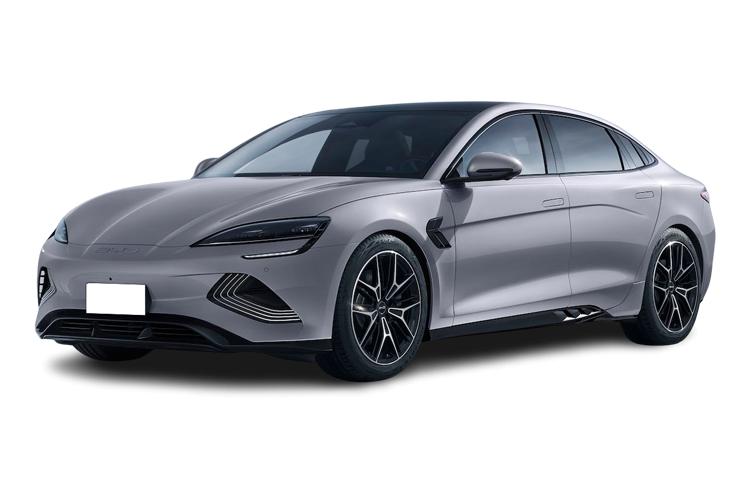
BYD SEAL
230kW Design 83kWh 4dr Auto
£360.15
per month excl. VAT
Initial rental £4,321.80
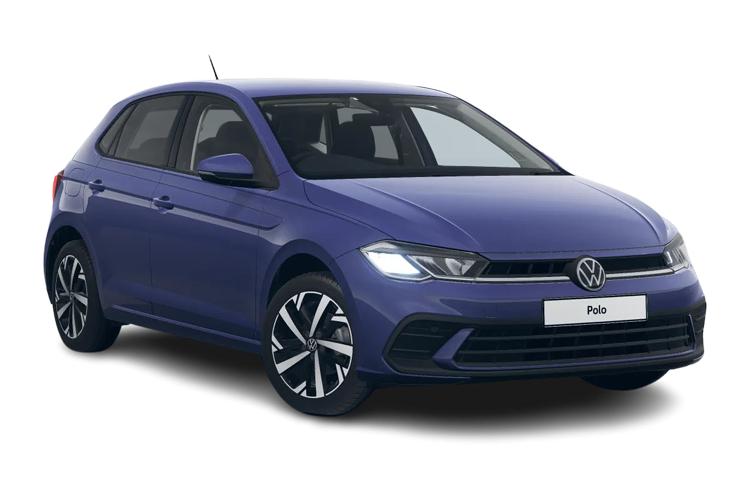
Volkswagen POLO
1.0 TSI Match 5dr
£343.65
per month excl. VAT
Initial rental £4,123.80

Mercedes-Benz CLA
CLA 250+ 200kW EQ AMG Line Prem Ed 85kWh
£739.32
per month excl. VAT
Initial rental £8,871.84
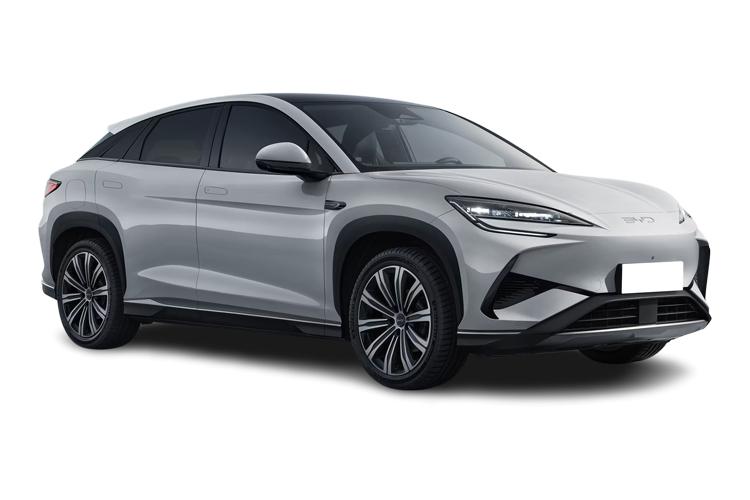
BYD Sealion 7
390kW Design 83kWh
£416.8
per month excl. VAT
Initial rental £5,001.60
BYD SEAL
230kW Design 83kWh 4dr Auto
£360.15
per month excl. VAT
Initial rental £4,321.80
Volkswagen POLO
1.0 TSI Match 5dr
£343.65
per month excl. VAT
Initial rental £4,123.80
Mercedes-Benz CLA
CLA 250+ 200kW EQ AMG Line Prem Ed 85kWh
£739.32
per month excl. VAT
Initial rental £8,871.84
BYD Sealion 7
390kW Design 83kWh
£416.8
per month excl. VAT
Initial rental £5,001.60