

Mon to Thu 09:00 – 17:30
Fri 09:00 – 17:00
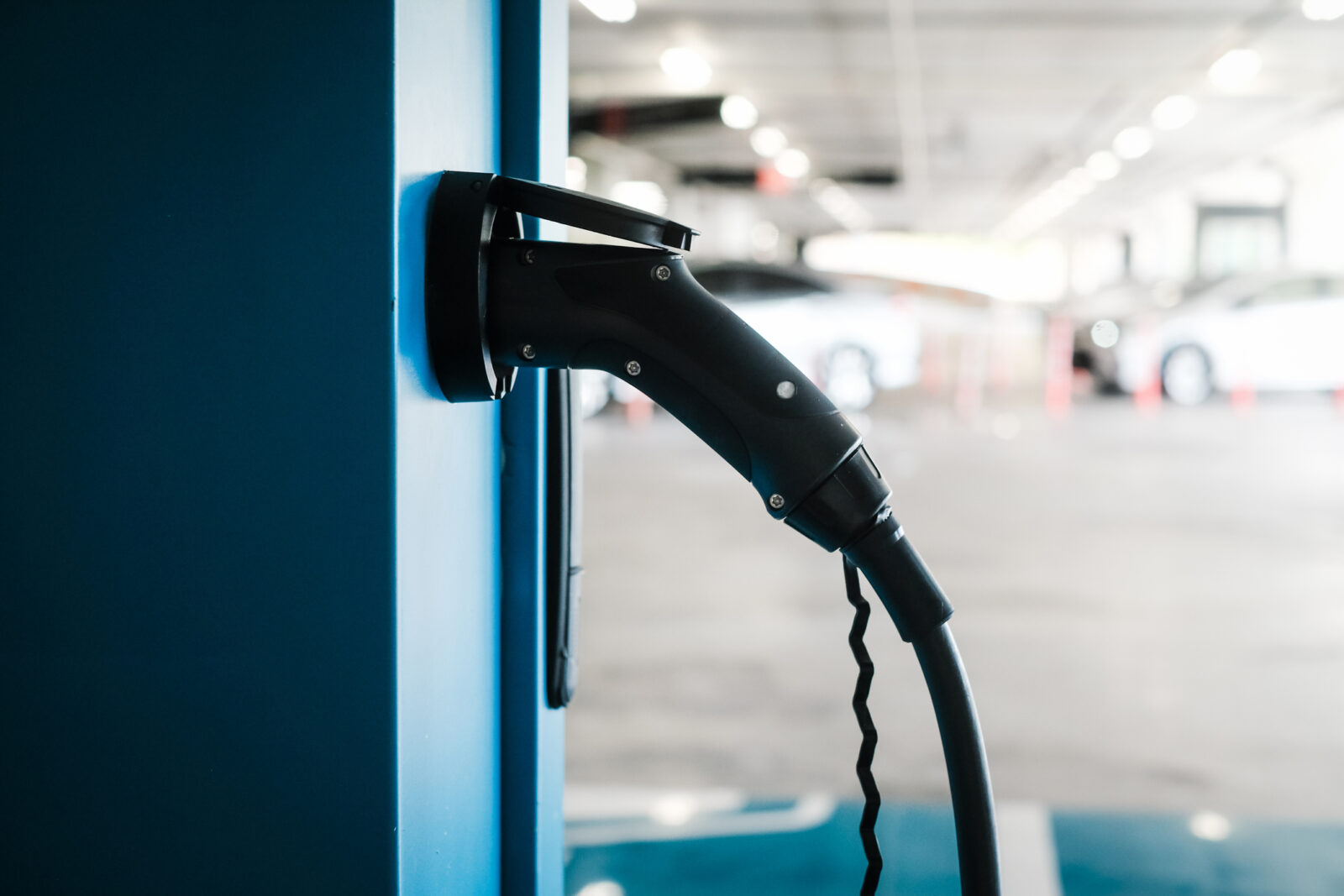
As the automotive industry shifts towards sustainability, electric car leases have become an increasingly popular option for drivers looking to embrace eco-friendly transportation. Electric vehicle leasing offers a unique opportunity to experience the benefits of electric cars without the long-term commitment of ownership. This trend has led to a surge in electric car lease deals across the UK, making it easier than ever for consumers to make the switch to electric.
Leasing an electric car comes with numerous advantages, including potential cost savings on fuel and maintenance, as well as access to the latest technology and environmental benefits. This guide will explore the ins and outs of electric car leases, comparing them to traditional purchases, and highlighting key factors to consider when opting for an electric vehicle lease. Additionally, it will delve into the intricacies of lease agreements, government incentives available for electric car leasing, and provide a comprehensive overview to help readers make informed decisions about their next vehicle choice.
Leasing an electric car has become an increasingly attractive option for drivers looking to embrace eco-friendly transportation without the long-term commitment of ownership. This approach offers numerous advantages that make it a compelling choice for many consumers.
One of the most significant benefits of leasing an electric car is the reduced initial expense compared to purchasing a new electric vehicle outright. Leasing typically requires a smaller upfront payment, making electric cars more accessible to a broader range of drivers. Instead of paying a substantial sum at once, lessees can spread the cost over an agreed period, usually between two to four years, with fixed monthly repayments.
This financial structure allows drivers to avoid dealing with the steep depreciation that often affects new vehicles. When leasing, the responsibility for the car’s resale value does not fall on the lessee’s shoulders, providing the flexibility to upgrade to a newer model once the lease ends without worrying about selling a depreciated asset.
The electric vehicle industry is evolving rapidly, with constant advancements in technology and performance. Leasing offers a unique opportunity to experience these innovations without the long-term commitment of ownership. By opting for an electric car lease, drivers can access a wide range of the latest EV models, complete with cutting-edge features and technology.
This advantage is particularly valuable in the context of electric vehicles, where battery technology and range capabilities are continually improving. Leasing allows drivers to benefit from these advancements by upgrading to newer models with enhanced performance and extended range every few years. This approach ensures that lessees always have access to the most up-to-date electric vehicle technology, including improved safety features and creature comforts.
Electric vehicles generally require less maintenance than their conventional petrol or diesel counterparts, primarily due to their simpler drivetrains and fewer moving parts. This inherent characteristic of electric cars translates to lower ongoing costs for lessees.
When leasing an electric car, drivers typically use the vehicle during its first few years, which are generally its most trouble-free period. This timing further reduces the likelihood of encountering age-related issues or quirks that might require additional maintenance.
Many lease agreements include maintenance packages, allowing lessees to spread the cost of routine servicing over the lease period. These packages often cover manufacturer-recommended services, necessary MOTs, and repairs caused by typical wear and ageing. By including these costs in the lease agreement, drivers can avoid unexpected expenses and enjoy a more predictable cost of ownership.
Beyond the primary advantages mentioned above, leasing an electric car offers several other noteworthy benefits:
By offering lower upfront costs, access to the latest technology, reduced maintenance, and additional financial and environmental benefits, leasing an electric car presents an attractive option for those looking to make the switch to electric mobility.
When considering an electric vehicle, consumers often face the decision between leasing and purchasing. Both options have their merits and drawbacks, and the choice depends on individual circumstances, financial goals, and driving preferences.
Leasing an electric car typically involves lower upfront costs compared to purchasing. This makes it an attractive option for those looking to drive an electric vehicle without a substantial initial investment. When leasing, drivers usually pay a smaller deposit and fixed monthly payments over an agreed period, typically two to four years. This approach allows individuals to spread the cost of the vehicle over time, making it more accessible to a broader range of consumers.
In contrast, purchasing an electric car outright requires a significant upfront expense. Electric vehicles tend to have higher list prices than their petrol or diesel counterparts. This can be a deterrent for some buyers, as it requires a larger initial financial commitment.
The long-term financial implications of leasing versus purchasing an electric car are worth considering. One of the key advantages of leasing is the protection it offers against depreciation. When leasing, the responsibility for the car’s resale value does not fall on the lessee’s shoulders. This can be particularly beneficial given that cars typically lose a significant portion of their value in the first few years.
Data shows that while a petrol or diesel car bought new can lose up to 60% of its value three years after leaving the dealership, electric cars depreciate at a slower rate, losing only 40 to 49% of their value by year three. By leasing, drivers can avoid the risk associated with this depreciation.
However, it’s important to note that leasing means continuous monthly payments without building equity in the vehicle. In contrast, purchasing a car, while requiring a larger initial investment, results in ownership of an asset that can be sold or traded in the future.
Leasing offers significant flexibility and the opportunity to regularly upgrade to newer models. This is particularly advantageous in the rapidly evolving electric vehicle market. The electric car industry is upgrading at a rapid rate, with constant advancements in technology and performance.
By leasing, drivers can easily switch to a new electric car every few years, benefiting from the latest innovations in battery technology, range capabilities, and features. This allows lessees to experience the most up-to-date electric vehicle technology without the long-term commitment of ownership.
For those who prefer to stay current with the latest automotive technology, leasing provides a straightforward path to regularly upgrading their vehicle. At the end of each lease term, typically two to three years, lessees can choose a new model with the most recent advancements.
On the other hand, purchasing an electric car provides the freedom to keep the vehicle for as long as desired without mileage restrictions or lease-end obligations. However, owners may find themselves driving an outdated model as technology progresses, unless they choose to sell and upgrade, which can be a more complex process.
In conclusion, the choice between leasing and purchasing an electric car depends on individual priorities and circumstances. Leasing offers lower initial costs, protection against depreciation, and the flexibility to upgrade regularly. Purchasing, while requiring a larger upfront investment, provides long-term ownership and the potential for equity buildup. Consumers should carefully consider their financial situation, driving needs, and desire for the latest technology when making this decision.
When considering an electric vehicle (EV) lease, several key factors come into play. These factors can significantly impact the overall experience and satisfaction of leasing an EV. Let’s explore the most crucial aspects to consider.
One of the most critical factors to consider when leasing an electric vehicle is the battery range. The range of an EV refers to how far it can travel on a single full charge. This is a crucial consideration as it directly impacts the vehicle’s practicality for daily use.
Modern electric vehicles have made significant strides in terms of range. Many EVs today are capable of travelling distances exceeding 200 miles on a single charge, with some models even surpassing 300 miles. For instance, the Mercedes-Benz EQS saloon boasts an impressive WLTP range of 487 miles.
When evaluating the range of an EV, it’s essential to look at the battery size, measured in kilowatt-hours (kWh). Generally, the higher the kWh figure, the more miles the vehicle can cover on a single charge. For example, the Tesla Model 3 and Volkswagen ID.3 offer variants with different battery sizes, with larger batteries providing extended ranges.
It’s worth noting that the actual range can vary based on several factors, including:
To get a more realistic estimate of an EV’s range, it’s advisable to consider ‘real world’ range figures in addition to the manufacturer’s official WLTP range.
The availability and accessibility of charging infrastructure is another crucial factor to consider when leasing an electric vehicle. A robust charging network is essential for convenient and stress-free EV ownership.
When evaluating the charging infrastructure, consider the following:
The duration of the lease is an important consideration when opting for an electric vehicle. EV technology is rapidly evolving, with manufacturers regularly introducing new models and improvements in battery technology and range.
When deciding on the lease duration, consider the following:
By carefully considering these key factors – battery range, charging infrastructure, and lease duration – potential lessees can make an informed decision when choosing an electric vehicle that best suits their needs and lifestyle.
When leasing an electric car, it’s crucial to comprehend the terms and conditions of the lease agreement. These contracts typically include several key components that lessees should carefully consider before signing.
One of the most significant aspects of an electric car lease agreement is the mileage limit. Lease contracts usually set annual mileage restrictions, typically ranging from 10,000 to 15,000 miles per year. Exceeding these limits can result in additional charges at the end of the lease term. These excess mileage fees are generally calculated on a per-mile basis and can vary depending on the vehicle and leasing company. For instance, charges may range from 3 to 30 pence per mile over the limit.
To avoid unexpected costs, lessees should accurately estimate their driving habits before agreeing to a mileage limit. For those with extensive commutes or who frequently take long trips, it may be wise to negotiate a higher mileage allowance upfront. Some leasing companies offer the flexibility to adjust the maximum mileage during the lease term to accommodate changing needs.
Electric car lease agreements also include provisions regarding wear and tear. The British Vehicle Rental and Leasing Association (BVRLA) provides general guidelines on what constitutes fair wear and tear, although each finance provider may have its own specific rules. Fair wear and tear is defined as the natural deterioration that occurs to a vehicle due to regular use throughout the lease term.
Lessees are responsible for returning the vehicle in good condition, considering its age and mileage. The BVRLA advises inspecting the vehicle 10 to 12 weeks before the end of the lease to identify any issues that may need addressing. This inspection should cover various aspects of the vehicle, including:
Any damage beyond normal wear and tear may result in additional charges. Common issues that often lead to end-of-lease penalties include excessive scratches, dents, stains, or mechanical problems.
As the lease term approaches its conclusion, lessees have several options to consider:
On the collection day, a qualified inspector will conduct a thorough assessment of the vehicle’s condition. Any damage deemed outside of fair wear and tear will be noted on a condition report, along with associated repair costs. If the lessee disagrees with the inspector’s findings, they should document their objections on the report, which may prompt a review process by the finance provider.
Understanding these key aspects of electric car lease agreements can help lessees avoid unexpected costs and make informed decisions throughout the leasing process. It’s essential to carefully review all terms and conditions before signing a lease and to maintain the vehicle properly during the lease period to ensure a smooth end-of-lease experience.
The UK government has implemented various tax incentives to encourage the adoption of electric vehicles (EVs). For businesses leasing electric cars, these incentives can lead to significant cost savings. When a company leases an electric vehicle with emissions of 50g/km or below, the full monthly rental payments are deductible expenses. This means they can be set against profits, resulting in a lower corporation tax bill.
For example, if a company leases an electric car for £6,000 over the 2022-23 financial year, they can deduct the entire cost against profits. With corporation tax at 19%, the tax savings would amount to £1,140. This tax efficiency makes leasing an attractive option for businesses looking to incorporate EVs into their fleet.
Furthermore, electric cars offer significant benefits in terms of Benefit in Kind (BIK) taxation. As of 2022, fully electric cars only attract a 2% BIK rate, which is set to remain in place until 2024/25. This low rate results in substantial savings for employees who have personal use of company electric vehicles.
The UK government, through the Office for Zero Emission Vehicles (OZEV), offers various grants to support the transition to electric vehicles. These grants are designed to make the switch more cost-effective for both individuals and businesses.
One notable grant is the Workplace Charging Scheme (WCS). This voucher-based scheme is available to businesses, charities, and public authorities. It provides up to £350 per socket, with a maximum of 40 sockets per applicant business. This grant can significantly reduce the cost of installing electric vehicle charging points for fleets, staff, and customers.
For small and medium-sized businesses (SMEs) with 249 employees or less, there’s an infrastructure grant for staff and fleets. This grant offers up to £15,000 per building or 75% of installation costs. The funding is capped at £500 per parking bay for future infrastructure needs or £850 per parking bay where there will be a working electric vehicle charging point.
Several UK cities have implemented Clean Air Zones (CAZ) or Ultra Low Emission Zones (ULEZ) to improve air quality in urban environments. These zones charge more polluting vehicles that enter, incentivising motorists to switch to cleaner forms of transport.
Electric vehicles, with their zero tailpipe emissions, are exempt from these charges. For instance, in London’s ULEZ, which covers all of central London between the North and South Circular roads, non-compliant vehicles are charged £12.50 a day. By leasing an electric vehicle, businesses and individuals can avoid these daily charges, leading to significant savings, especially for those frequently entering these zones.
Moreover, electric and hydrogen fuel-cell vehicles are currently exempted from the London Congestion Charge under the Cleaner Vehicle Discount (CVD) until December 2025. This exemption further enhances the financial benefits of leasing an electric vehicle for those operating in urban areas.
These government incentives, including tax benefits, grants, and exemptions from low emission zone charges, make leasing an electric vehicle an increasingly attractive option for both businesses and individuals. As the UK continues its push towards net-zero emissions, these incentives play a crucial role in accelerating the adoption of electric vehicles.
Electric car leasing has emerged as a compelling option for drivers looking to embrace eco-friendly transportation without the long-term commitment of ownership. This approach offers numerous benefits, including lower upfront costs, access to cutting-edge technology, and reduced maintenance expenses. By opting for an electric car lease, drivers can enjoy the perks of electric mobility while staying current with the rapidly evolving EV market.
To sum up, understanding the key factors such as battery range, charging infrastructure, and lease agreements is crucial when considering an electric car lease. Government incentives, including tax benefits and grants, further enhance the appeal of leasing electric vehicles. As the automotive industry continues its shift towards sustainability, electric car leasing presents an attractive pathway to experience the future of transportation while contributing to a cleaner environment.
Ready to upgrade your vehicle? Or want to find out more about our deals? Contact us today or call direct 01642 793444 to find the perfect leasing option for you. View our full range online.
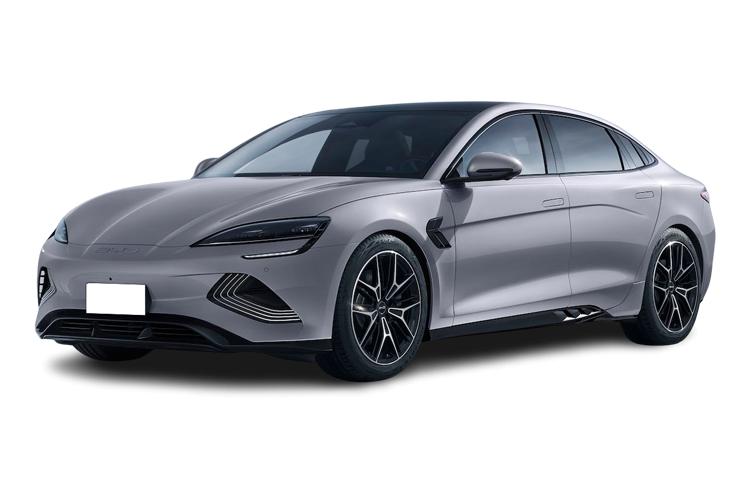
BYD SEAL
230kW Design 83kWh 4dr Auto
£360.15
per month excl. VAT
Initial rental £4,321.80

Mercedes-Benz CLA
CLA 250+ 200kW EQ AMG Line Prem Ed 85kWh
£739.32
per month excl. VAT
Initial rental £8,871.84
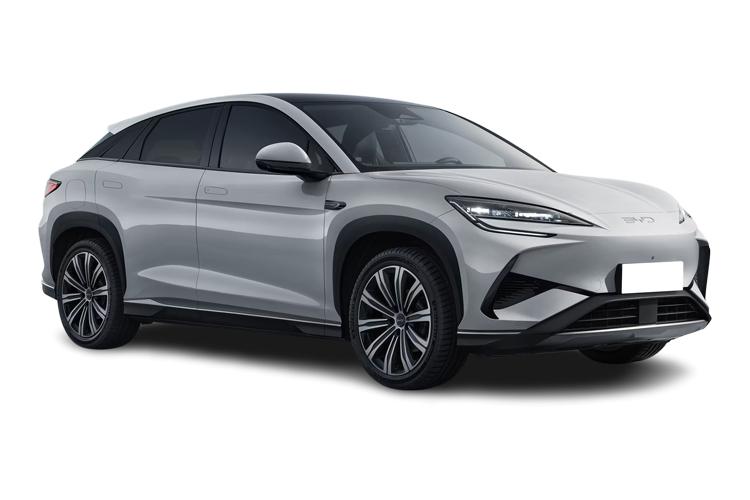
BYD Sealion 7
390kW Design 83kWh
£416.8
per month excl. VAT
Initial rental £5,001.60
BYD SEAL
230kW Design 83kWh 4dr Auto
£360.15
per month excl. VAT
Initial rental £4,321.80
Mercedes-Benz CLA
CLA 250+ 200kW EQ AMG Line Prem Ed 85kWh
£739.32
per month excl. VAT
Initial rental £8,871.84
BYD Sealion 7
390kW Design 83kWh
£416.8
per month excl. VAT
Initial rental £5,001.60
BYD SEAL
230kW Design 83kWh 4dr Auto
£360.15
per month excl. VAT
Initial rental £4,321.80
Mercedes-Benz CLA
CLA 250+ 200kW EQ AMG Line Prem Ed 85kWh
£739.32
per month excl. VAT
Initial rental £8,871.84
BYD Sealion 7
390kW Design 83kWh
£416.8
per month excl. VAT
Initial rental £5,001.60