

Mon to Thu 09:00 – 17:30
Fri 09:00 – 17:00
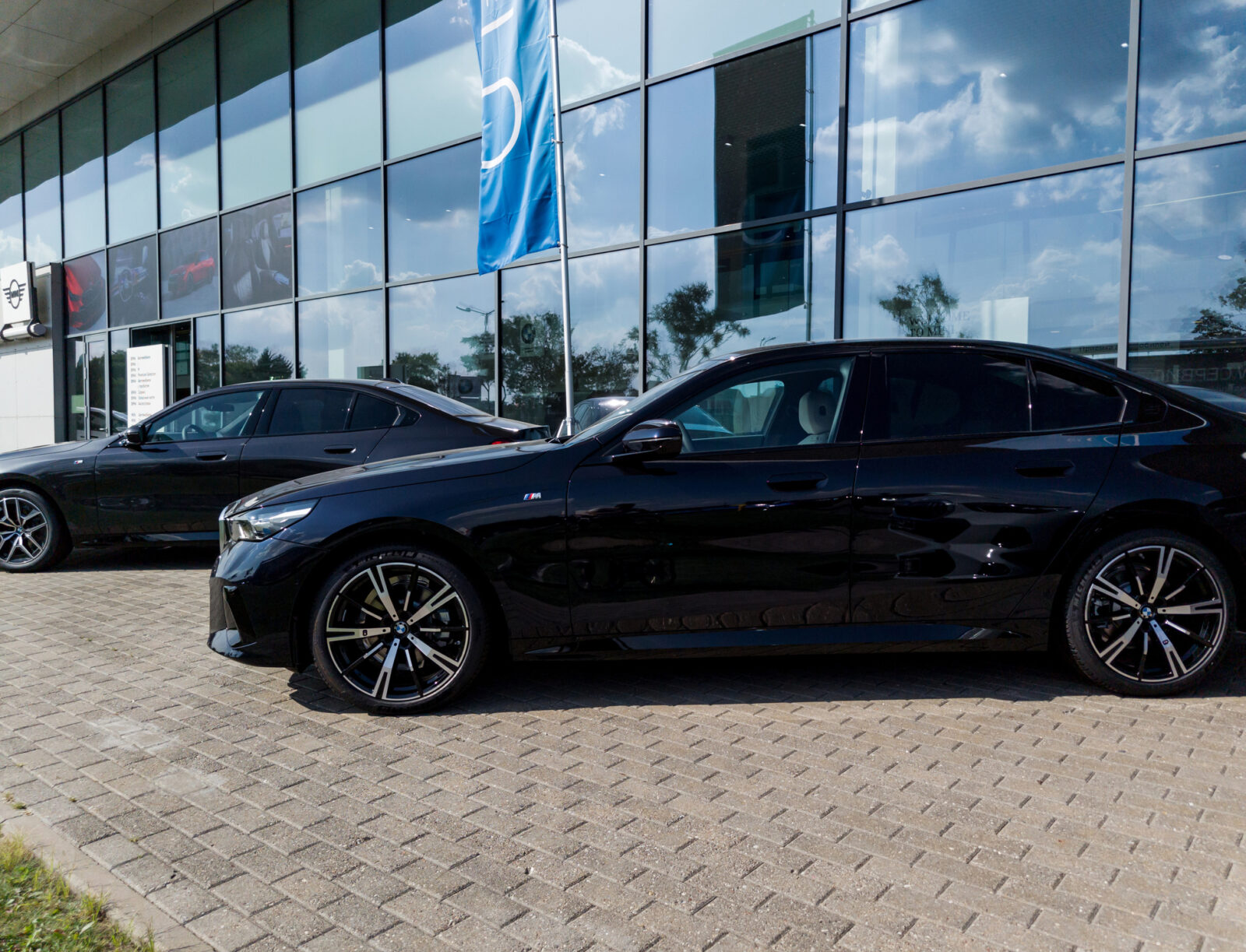
The luxury car leasing market is undergoing a significant transformation as we approach 2025. With the automotive industry evolving rapidly, leasing a luxury car has become an increasingly attractive option for those seeking premium driving experiences without the long-term commitment of ownership. This shift has a profound influence on how consumers access and enjoy high-end vehicles, offering flexibility and access to the latest models and technologies.
As we look ahead to 2025, the luxury car leasing landscape is set to change further. Electric vehicles are gaining prominence in the luxury segment, reshaping lease agreements and options. Customisation and flexible terms are becoming more common, allowing lessees to tailor their experiences. Additionally, advanced technology and connectivity features are now standard in luxury car leases, enhancing the driving experience. Financial considerations, including new pricing models and incentives, are also playing a crucial role in shaping the future of luxury car leasing in the UK and beyond.
The luxury car leasing market has seen a significant shift towards electric vehicles (EVs) in recent years. This trend has a profound influence on how consumers access and enjoy high-end vehicles, offering flexibility and access to the latest models and technologies.
The electric vehicle market has experienced remarkable growth, with the number of available EV models increasing by 15% year-on-year to nearly 590 in 2023. This expansion has had a significant impact on the luxury car leasing sector, with more consumers opting for electric options. In fact, by 2030, over half of global vehicle sales are projected to be electric.
The UK has seen a particularly strong uptake of electric vehicles, with sales surpassing one million in 2020. This growth has been fuelled by various factors, including government incentives, increased battery capacity, and a wider range of models to choose from. As a result, leasing providers are investing heavily in eco-friendly vehicles to meet the rising demand for sustainable transportation options.
Leasing a luxury electric vehicle comes with numerous advantages. One of the most significant benefits is the lower running costs. According to the Energy Savings Trust, an electric vehicle can run for 100 miles at a cost of £2 to £4 based on a full charge at home, while a petrol or diesel car can cost £13 to £16 per 100 miles. This substantial difference in operating costs makes luxury EVs an attractive option for those looking to combine premium driving experiences with cost-effectiveness.
Moreover, electric vehicles produce zero exhaust emissions, contributing to improved air quality, particularly in urban areas. This environmental benefit is coupled with financial incentives, such as government grants and tax benefits. For instance, the UK Government offers a plug-in car grant with a discount of up to £2,500 for eligible electric cars under £35,000.
Maintenance costs for electric vehicles are also significantly lower due to fewer moving parts compared to conventional petrol or diesel cars. This reduction in maintenance expenses adds to the overall appeal of leasing luxury EVs.
The luxury EV market offers a wide range of options to suit various preferences. The Audi Q4 e-tron stands out as a premium choice, offering brisk acceleration, sleek looks, and a refined driving experience. With a battery range of up to 329 miles, it’s an excellent option for those seeking a luxury electric SUV.
For those prioritising performance and style, the Kia EV6 has gained popularity. It features a dynamic all-wheel drive system and a range of 300 to 328 miles, making it suitable for long journeys. The Polestar 2 is another compelling option, impressing with its sleek Scandinavian design and combining performance, luxury, and sustainability.
Mercedes-Benz has also made its mark in the luxury EV sector with the EQC, which offers a plush interior and a range of over 400 miles powered by a 90kWh battery. These models represent just a fraction of the growing luxury EV market, with new manufacturers like BYD and Fisker entering the UK market and offering competitive options.
As the electric vehicle market continues to evolve, luxury car leasing has become an increasingly attractive option for those seeking premium driving experiences without the long-term commitment of ownership. With the combination of lower running costs, environmental benefits, and a wide range of high-end models to choose from, the rise of electric luxury vehicles in leasing is set to continue its upward trajectory.
The luxury car leasing market has evolved to offer more flexibility and customisation options to meet the diverse needs of consumers. This shift has a significant influence on how individuals and businesses access high-end vehicles, providing tailored solutions that cater to various preferences and requirements.
Luxury car leasing now offers a range of lease durations to suit different needs. Short-term leases typically last from a few months up to one year, providing flexibility for those with temporary requirements. These shorter agreements are ideal for situations such as awaiting delivery of a new car, temporary job placements, or extended test drives of luxury vehicles.
Long-term leases, on the other hand, usually range from two to five years and offer several advantages. They provide stability with predictable monthly payments, making budgeting easier compared to the potential fluctuations of short-term leases. Additionally, long-term leases often have lower monthly instalments as the lease cost is distributed over a more extended period.
It’s worth noting that the duration of the lease can influence the amount of the monthly payments. Typically, shorter lease terms result in higher monthly payments, as the leasing company allocates the cost of the car’s depreciation over a shorter timeframe.
Luxury car leases come with various mileage options to accommodate different driving habits. Traditional leases often limit drivers to 12,000 or 15,000 miles per year. However, recognising the need for more flexibility, some leasing companies now offer deals with higher mileage allowances or even unlimited mileage options for long-term rentals.
For those who anticipate exceeding the standard mileage limits, it’s crucial to discuss this with the leasing company upfront. Many providers offer the option to increase the mileage allowance for an additional cost, which can be more economical than paying excess mileage charges at the end of the lease term.
To enhance the leasing experience, many companies now offer a range of add-on services and packages. One popular option is the inclusion of maintenance packages, which cover servicing, routine maintenance, and even worn tyre replacement for a fixed monthly fee. This eliminates concerns about unexpected repair costs and ensures the vehicle remains in optimal condition throughout the lease period.
Insurance options have also expanded, with some providers offering ancillary insurance packages. These can include smart/cosmetic insurance, lease gap coverage, and alloy wheel insurance. Such comprehensive coverage options provide peace of mind and protect lessees from potential financial risks.
Moreover, some luxury car leasing companies are now offering the flexibility to exchange vehicles during the rental period. This feature allows lessees to experience different models or adapt to changing needs without the commitment of a long-term contract for a single vehicle.
As the luxury car leasing industry continues to evolve, these flexible terms and customisation options are likely to become even more sophisticated. The trend towards personalised leasing experiences is expected to grow, with providers offering increasingly tailored solutions to meet the unique preferences of luxury car enthusiasts.
Luxury car leasing in 2024 offers access to cutting-edge infotainment systems that enhance the driving experience. Many high-end vehicles now come equipped with touchscreen displays that serve as the central hub for various functions. These systems often integrate controls for the radio, media, navigation, and climate control. BMW’s latest iDrive system stands out as a leader in this field, featuring a BMW Curved Display and an optional Head-up Display. This system combines a rotary controller with voice control capabilities, making it easy to use without taking one’s eyes off the road for extended periods.
Renault’s OpenR and Volvo’s Google Built-in systems also provide multiple ways to access frequently used functions, offering flexibility and ease of use. These advanced systems often incorporate Google services, including voice assistants, which can significantly reduce distractions while driving.
Luxury vehicles are at the forefront of implementing advanced driver assistance systems (ADAS). These technologies aim to enhance safety and provide a more comfortable driving experience. Some notable features include:
Other significant ADAS features include Pre-Collision Systems with Pedestrian Detection, Lane Departure Alerts with Steering Assist, and Cross Traffic Monitors. These technologies work together to create a safer driving environment and reduce the likelihood of accidents.
A significant trend in luxury car leasing is the inclusion of over-the-air (OTA) update capabilities. This technology allows manufacturers to keep vehicles up-to-date with the latest software improvements and features throughout their lifecycle. Volvo, for instance, has announced OTA infotainment updates for cars as old as the 2020 model year, including popular models like the S60, XC60, and XC40.
These updates can address software bugs, enhance existing features, and even introduce new functionalities. For example, Volvo’s update will bring its newest Android-based infotainment system to older vehicles, ensuring they have access to the same technology as the company’s latest models. This approach helps maintain the value and relevance of leased vehicles throughout the duration of the agreement.
As luxury car leasing continues to evolve, these technological advancements play a crucial role in shaping consumer preferences and expectations. The integration of advanced infotainment systems, driver assistance technologies, and OTA update capabilities ensures that lessees have access to the latest features and improvements, making luxury car leasing an increasingly attractive option for those seeking cutting-edge automotive experiences.
Luxury car leasing has become an increasingly attractive option for consumers seeking premium driving experiences without the long-term commitment of ownership. One of the key advantages of leasing is that it typically involves lower monthly payments compared to outright purchasing or financing through a loan. This makes it a more budget-friendly option for many consumers who want to drive high-end vehicles.
The current auto leasing market reflects significant regional variations in car ownership and leasing trends across the United States. Rising costs have led to longer ownership periods or larger loans for new purchases, resulting in an average car age of 12.5 years in the states. To attract more consumers to leasing, it has become vital to provide personalised customisation options and elevate the overall customer experience. In fact, 72% of consumers are willing to pay extra for a leasing contract that provides tailor-made options just for them.
Depreciation plays a significant role in car leasing, impacting monthly lease payments, residual value, and potential end-of-lease costs. The residual value, which is the vehicle’s estimated worth at the end of the lease term, is determined by the lessor based on anticipated depreciation, market conditions, and historical data. A higher residual value can lead to lower monthly lease payments, while a lower value may result in higher payments.
The difference between the retail price and the residual value is divided by the lease term in months to calculate the depreciation amount. This calculation provides the monthly depreciation cost, a significant component of the monthly lease payment. When a vehicle experiences faster depreciation, the monthly lease payments tend to be higher.
Leasing a car for business purposes offers several advantages that can help support the growth of a company. One of these benefits is the tax breaks that business car leasing provides. Limited companies that opt for business vehicle leases can take advantage of claiming up to 100% of the monthly payments back through their corporation tax bill.
In most cases, 50% of the VAT on car lease payments for a Business Contract Hire vehicle can be reclaimed if the company is VAT registered. Additionally, based on current legislation, limited companies can offset their monthly repayment costs against their corporation tax. However, the government’s annual budget dictates the amount that can be offset based on the CO2 emissions of the car leased.
For electric vehicles, which emit zero tailpipe emissions, 100% of the rentals are allowable against tax. This makes EVs more tax-efficient than combustion alternatives in most cases. The key points to note from the new taxation regime are that a purely electric vehicle will have 0% Benefit in Kind (BiK) for 2020-21, 1% for 2021-2022, and 2% for 2022-23.
The luxury car leasing landscape is poised for significant changes in the coming years. The shift towards electric vehicles, coupled with more flexible leasing terms and cutting-edge technology, is reshaping the industry. These developments are having a big impact on how consumers access and enjoy high-end vehicles, offering more choices and personalised experiences. What’s more, financial considerations, including new pricing models and tax incentives, are playing a key role in making luxury car leasing an attractive option for many.
Looking ahead, the luxury car leasing industry is likely to see even more exciting developments. New technologies, such as advanced autonomous driving features and enhanced connectivity, are set to become standard in luxury leases. At the same time, consumer preferences are shifting towards more sustainable and customizable options. These trends point to a future where luxury car leasing continues to evolve, offering drivers access to the latest innovations and premium experiences without the long-term commitment of ownership.
What is the optimal time of year to lease a vehicle?
The most advantageous times to lease a car are during holiday seasons when dealerships are heavily promoting sales, at the end of the year from October to December, during tax season when people might have more disposable income, at the end of each month or quarter, and when new models are released.
What proportion of luxury vehicles are acquired through leasing?
Among luxury car buyers, leasing is chosen by 20%, financing by another 20%, while the majority, 60%, opt to purchase their vehicles outright with cash.
What are the emerging trends in car leasing?
The car leasing sector is being shaped by several key trends including the adoption of electric vehicles, the development of autonomous driving technology, and the use of blockchain. Additionally, the growth of subscription-based models, a focus on sustainability, and the preferences of younger consumers like Millennials and Gen Z are also significant factors.
In 2024, although interest rates are anticipated to fall, this decline will be gradual and will not completely reverse the sharp increases previously experienced. Therefore, any reduction in car leasing prices is likely to be modest and occur slowly over time.
Ready to upgrade your luxury vehicle? Or want to find out more about our deals? Contact us today or call direct 01642 793444 to find the perfect leasing option for you. View our full range online.
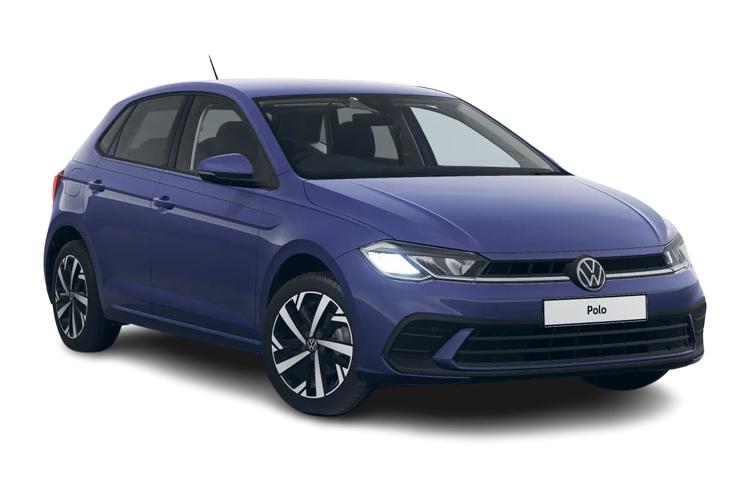
Volkswagen POLO
1.0 TSI Match 5dr
£258.49
per month excl. VAT
Initial rental £3,101.88
Volkswagen POLO
1.0 TSI Match 5dr
£258.49
per month excl. VAT
Initial rental £3,101.88
Volkswagen POLO
1.0 TSI Match 5dr
£258.49
per month excl. VAT
Initial rental £3,101.88
Volkswagen POLO
1.0 TSI Match 5dr
£258.49
per month excl. VAT
Initial rental £3,101.88
Volkswagen POLO
1.0 TSI Match 5dr
£258.49
per month excl. VAT
Initial rental £3,101.88
Volkswagen POLO
1.0 TSI Match 5dr
£258.49
per month excl. VAT
Initial rental £3,101.88
Volkswagen POLO
1.0 TSI Match 5dr
£258.49
per month excl. VAT
Initial rental £3,101.88
Volkswagen POLO
1.0 TSI Match 5dr
£258.49
per month excl. VAT
Initial rental £3,101.88