Mon to Thu 09:00 – 17:30
Fri 09:00 – 17:00
One of the major perks of driving an electric vehicle in the UK is exemption from road tax.
Additionally, EVs are granted access to all clean air zones, enhancing their urban utility and helping you avoid additional fees.
For business owners, electric vehicles bring additional incentives.
They are subject to lower Benefit in Kind (BiK) tax rates, making them a cost-effective choice for company car fleets.

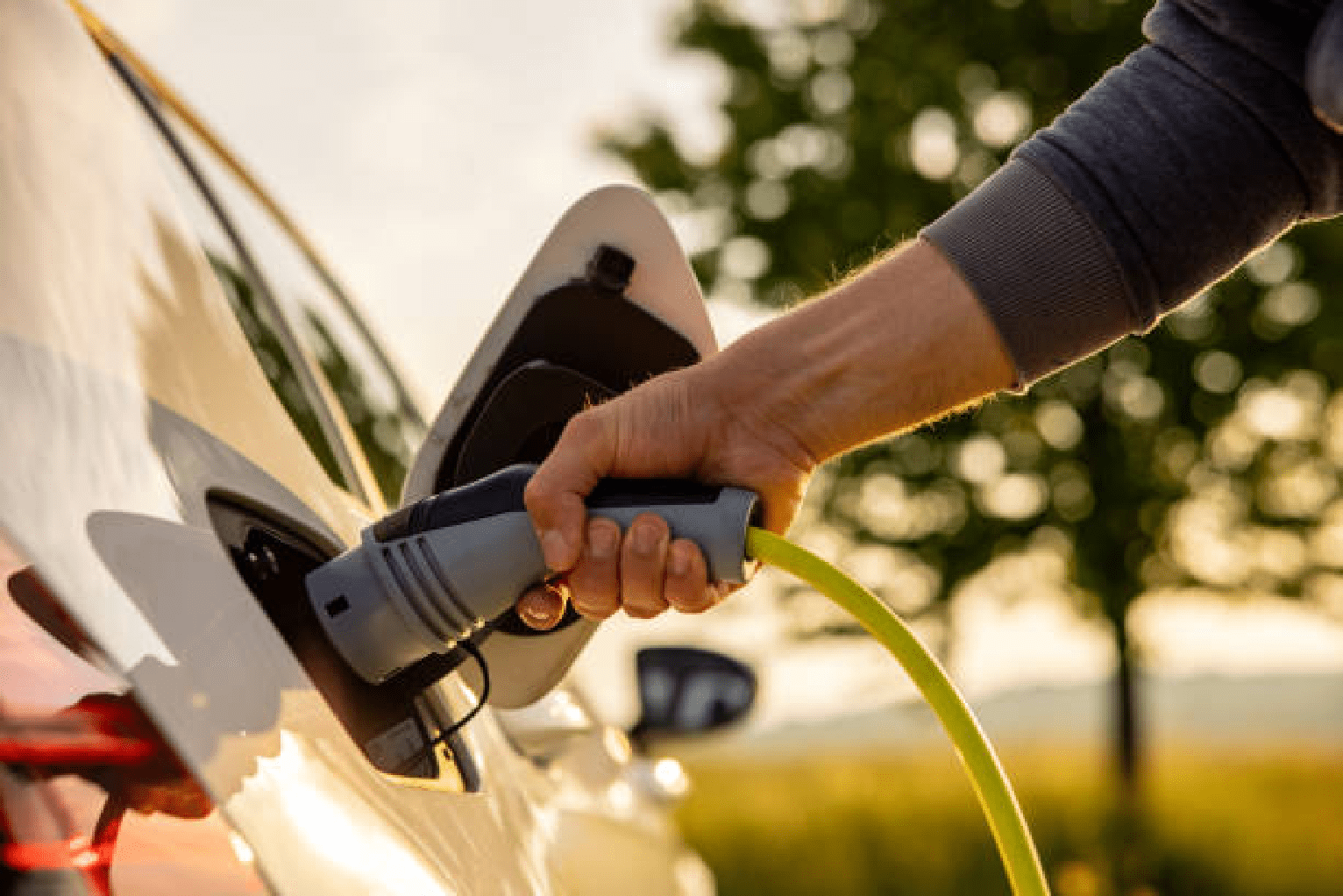
Charging your electric vehicle is easier and more cost-effective than ever.
Many employers now offer free charging facilities, potentially making EVs cheaper to run despite their higher upfront costs.
For home charging, mention your interest to your advisor — we can help you arrange a home charging point through one of our partners.
Additionally, consider choosing an EV-specific energy plan. Some suppliers offer rates as low as under 3p/kWh for electric vehicle charging with a compatible home charger.
While it’s true that EVs generally require less maintenance, it’s not true that they don’t need any at all and they still require regular check-ups for optimal performance.
Did you know: tyres on electric vehicles cost more than standard tyres?
Be mindful of the higher cost for tyres due to the vehicle’s greater weight and acceleration capabilities.
For those interested, maintained contracts are available to include these costs in your lease package.

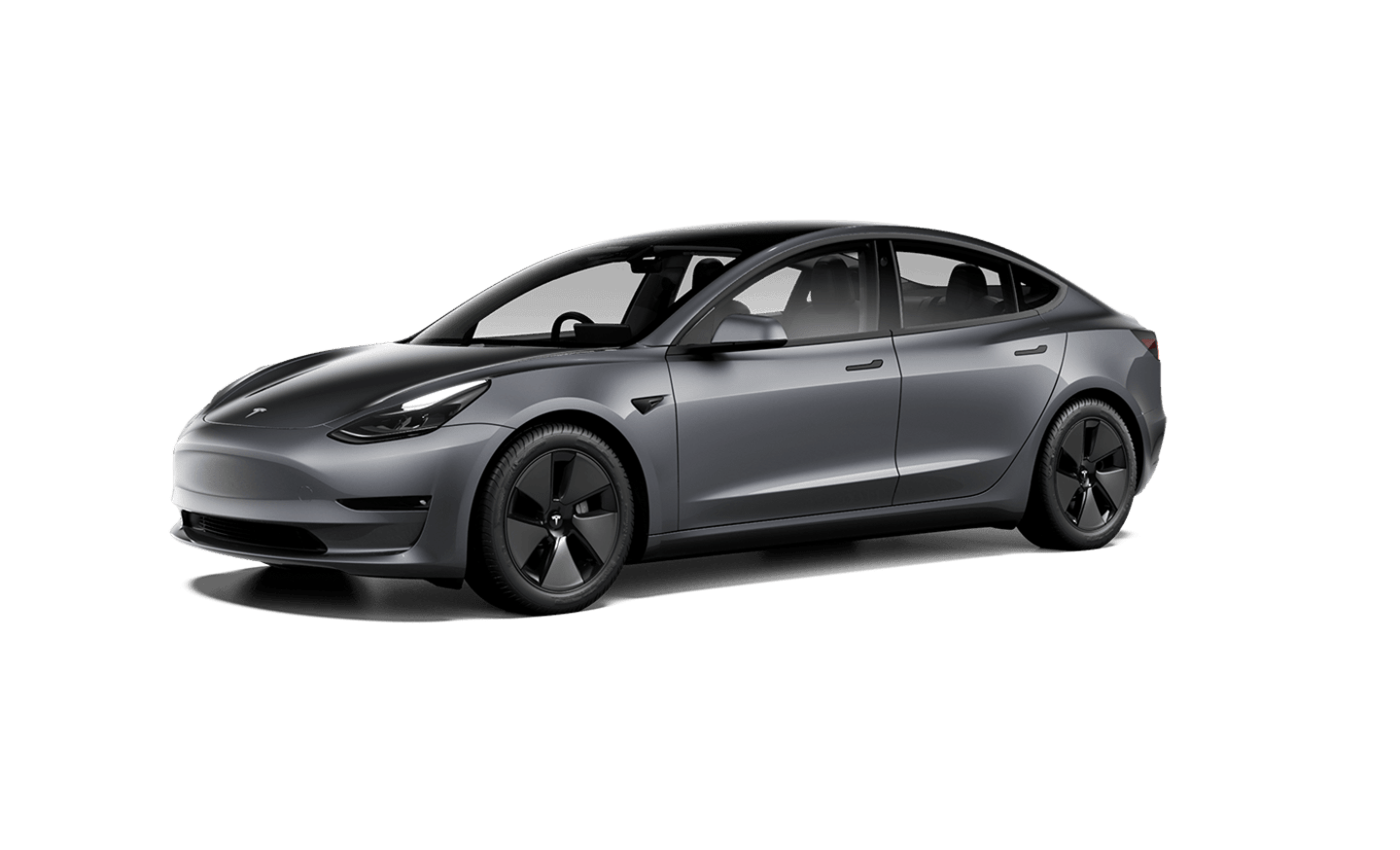
A feature found on both hybrids and EVs, regenerative braking converts some of the energy lost during braking back into stored energy in the battery.
This is not only efficient but also helps reduce wear on your brakes.
EVs do tend to be heavier due to the batteries.
However, this weight is usually lower in the vehicle, contributing to a more stable and comfortable driving experience.
EVs undergo the same rigorous safety tests as other vehicles.
Their batteries are also generally very safe in the event of an accident.
As a bonus, many EVs come with extra safety features and gadgets as standard.


Switching to an electric vehicle (EV) often raises questions about its actual environmental benefits.
Though EV manufacturing is initially more resource-intensive, the long-term gains can offset these costs. The key factor? Your energy source for charging.
Using renewable energy can make your EV environmentally beneficial after around 20,000 miles, whereas coal-based energy extends this to 70,000 miles.
If you’re keen on maximising your green impact, consider an energy supplier that offers renewable-only plans, often at discounted rates for EV owners.
Get in touch with us today to explore if an EV suits your needs.