

Mon to Thu 09:00 – 17:30
Fri 09:00 – 17:00
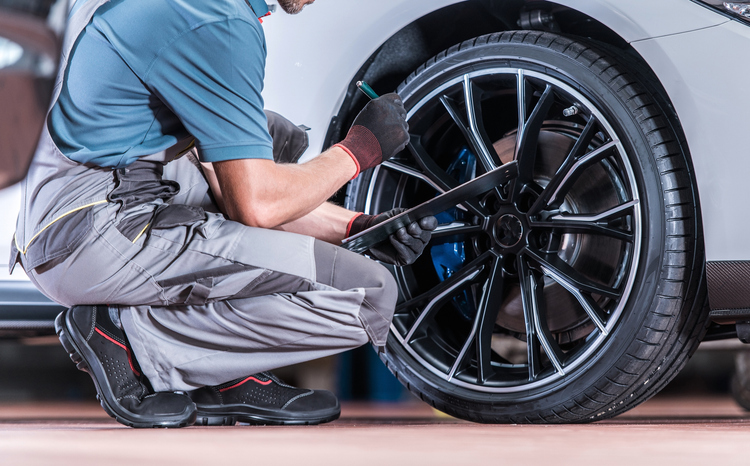
Leasing a luxury car offers the thrill of driving a high-end vehicle without the long-term commitment of ownership. However, it also comes with responsibilities to maintain the car’s condition to avoid penalties at the end of the lease term. Proper maintenance not only ensures a smooth driving experience but also helps in preserving the car’s value. This guide outlines essential tips and strategies for maintaining a leased luxury car, ensuring it remains in top condition throughout the lease period.
Before diving into maintenance tips, it’s crucial to thoroughly understand your lease agreement. This document outlines your responsibilities, including maintenance requirements, mileage limits, and acceptable wear and tear. Key points to consider include:
Regular maintenance is crucial for the longevity of any vehicle, and luxury cars are no exception. Here are some essential maintenance checks to keep your leased luxury car in pristine condition:
Luxury cars often require synthetic oil, which offers better performance and protection. Regular oil changes are vital to keep the engine running smoothly. Follow the manufacturer’s recommended schedule, typically every 5,000 to 10,000 miles, depending on the car model and driving conditions.
Tyres are a critical component of your car’s safety and performance. Regularly check tyre pressure and tread depth. Rotate the tyres as per the manufacturer’s recommendation to ensure even wear. Properly inflated and maintained tyres improve fuel efficiency and handling.
The braking system is crucial for safety. Regularly inspect brake pads, rotors, and fluid levels. Listen for unusual noises or vibrations when braking, as these can indicate wear or damage that needs attention.
Besides oil, other fluids such as coolant, transmission fluid, and brake fluid need regular checks. Maintaining optimal fluid levels ensures the car operates efficiently and prevents potential damage.
Luxury cars often come with advanced electronic systems that can drain the battery. Regularly check the battery’s condition and clean the terminals to prevent corrosion. Replace the battery as needed to avoid unexpected failures.
Maintaining the appearance of your leased luxury car is just as important as mechanical upkeep. A well-maintained car not only looks better but also retains its value.
Regular washing removes dirt, grime, and pollutants that can damage the car’s paint. Waxing adds a protective layer, preserving the paint’s shine and preventing fading. Consider using high-quality products specifically designed for luxury vehicles.
The interior of a luxury car often features premium materials like leather and wood. Regularly clean and condition these surfaces to prevent wear and tear. Use products designed for luxury interiors to maintain the original look and feel.
Consider using protective measures such as car covers, especially if the vehicle is parked outdoors. Sunshades can protect the interior from UV damage, while floor mats can prevent dirt and moisture from damaging the carpets.
Your driving habits significantly impact the longevity of your leased luxury car. Adopting mindful driving practices can reduce wear and tear and enhance the vehicle’s performance.
Avoid aggressive driving behaviours such as rapid acceleration, hard braking, and sharp turns. These actions can strain the engine, brakes, and suspension, leading to premature wear.
Allow the engine to warm up before driving, especially in cold weather. This practice ensures the oil circulates properly, reducing engine wear.
Frequent short trips can prevent the engine from reaching optimal operating temperature, leading to increased wear. Combine errands into longer trips when possible to minimise this issue.
Adhering to the manufacturer’s scheduled servicing is crucial for maintaining the warranty and ensuring the car’s longevity. Scheduled servicing typically includes comprehensive checks and replacements as needed.
Use authorised service centres for maintenance and repairs. These centres have trained technicians familiar with your car’s specific needs and access to genuine parts.
Keep detailed records of all maintenance and repairs. These records are essential for warranty claims and can be beneficial if you decide to purchase the car at the end of the lease.
Even with regular maintenance, issues can arise. Knowing how to handle repairs effectively is crucial for maintaining your leased luxury car.
Ignoring minor issues can lead to more significant problems. Address any unusual noises, warning lights, or performance issues promptly to prevent further damage.
When repairs are necessary, use high-quality or OEM (Original Equipment Manufacturer) parts. These parts are designed specifically for your vehicle, ensuring optimal performance and longevity.
Understand what repairs are covered under the warranty. Many luxury cars come with comprehensive warranties that can cover significant repair costs, reducing your financial burden.
As the lease term comes to an end, preparing the car for return is essential to avoid penalties and ensure a smooth process.
Consider a pre-inspection to identify any issues that may need addressing before the official lease-end inspection. This step allows you to make necessary repairs and avoid potential charges.
Professional detailing can enhance the car’s appearance, making it look as close to new as possible. A clean, well-maintained car is less likely to incur wear and tear penalties.
Ensure all service records and documentation are complete and organised. This information can be valuable during the lease return process, demonstrating that the car was well-maintained.
Maintaining a leased luxury car requires diligence and attention to detail. By understanding your lease agreement, performing regular maintenance, adopting smart driving habits, and preparing for lease return, you can enjoy the benefits of a luxury vehicle while preserving its value. These efforts not only enhance your driving experience but also ensure a hassle-free lease-end process. Whether you choose to return the car or purchase it, proper maintenance is key to maximising the benefits of leasing a luxury car.
Ready to upgrade your luxury vehicle? Or want to find out more about our deals? Contact us today or call direct 01642 793444 to find the perfect leasing option for you. View our full range online.
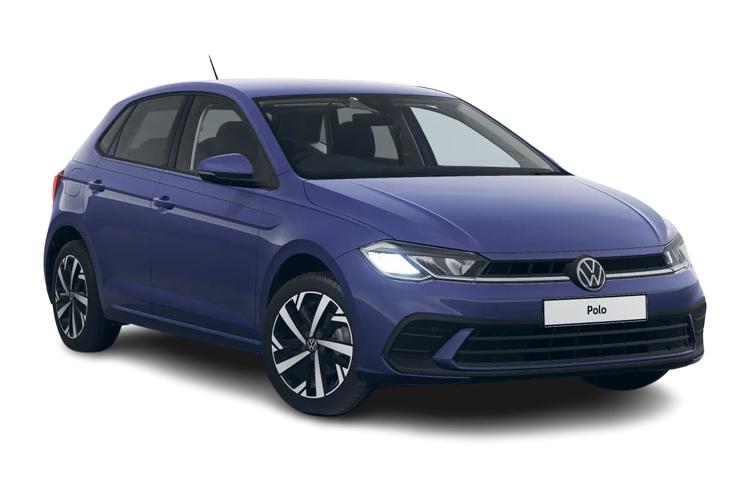
Volkswagen POLO
1.0 TSI Match 5dr
£258.49
per month excl. VAT
Initial rental £3,101.88
Volkswagen POLO
1.0 TSI Match 5dr
£258.49
per month excl. VAT
Initial rental £3,101.88
Volkswagen POLO
1.0 TSI Match 5dr
£258.49
per month excl. VAT
Initial rental £3,101.88
Volkswagen POLO
1.0 TSI Match 5dr
£258.49
per month excl. VAT
Initial rental £3,101.88
Volkswagen POLO
1.0 TSI Match 5dr
£258.49
per month excl. VAT
Initial rental £3,101.88
Volkswagen POLO
1.0 TSI Match 5dr
£258.49
per month excl. VAT
Initial rental £3,101.88
Volkswagen POLO
1.0 TSI Match 5dr
£258.49
per month excl. VAT
Initial rental £3,101.88
Volkswagen POLO
1.0 TSI Match 5dr
£258.49
per month excl. VAT
Initial rental £3,101.88