

Mon to Thu 09:00 – 17:30
Fri 09:00 – 17:00
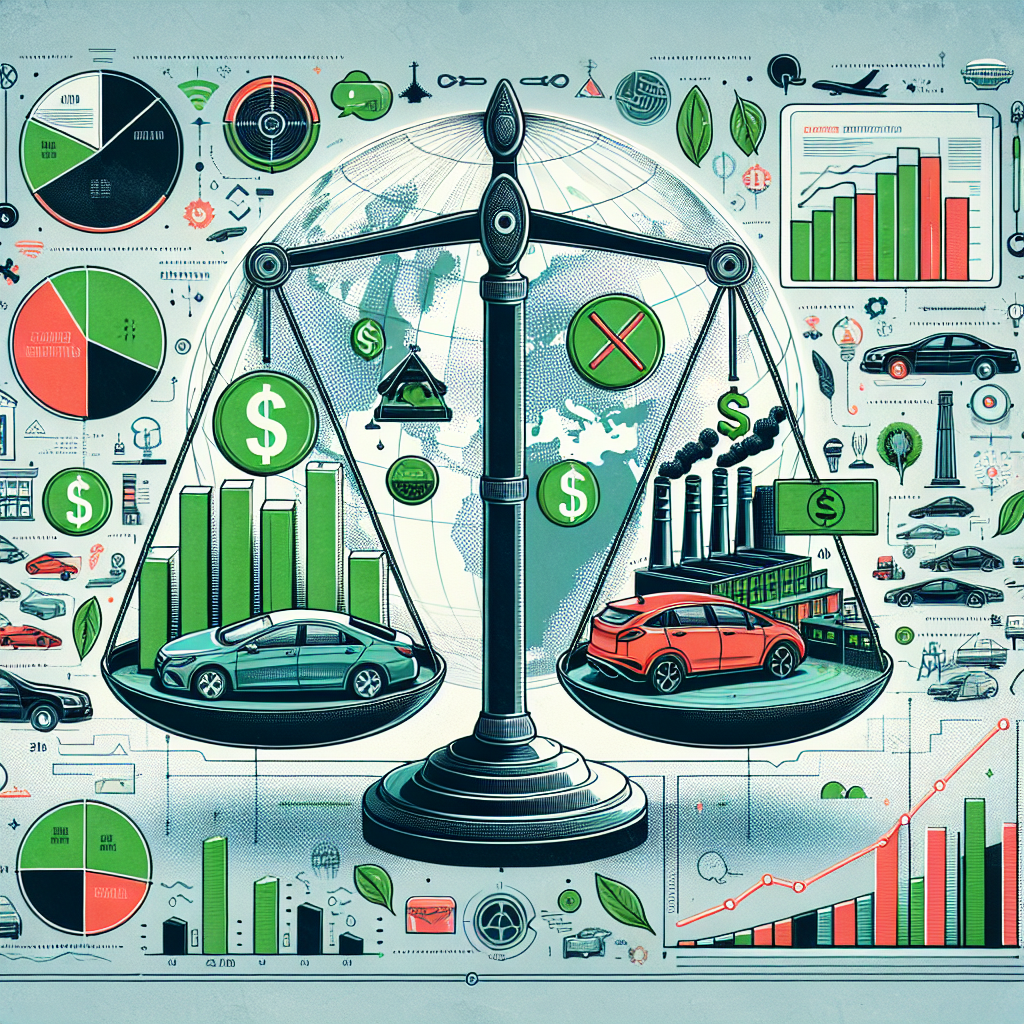
The transportation sector has a big impact on global carbon emissions making up over 20% of global CO₂ emissions from burning fossil fuels. As people understandably worry more about climate change, the decision between leasing and owning vehicles has become more important for planet conscious consumers.
This article aims to take a look at the environmental impacts of these two options providing useful insights to support smart choices that match your sustainability goals.
Firstly we’ll quickly look to understand these two different ways of getting / owning a car so that as we look at the environmental influences we can look at them in context.
Leasing a vehicle is effectively the process of borrowing a vehicle for a predetermined period of time with a predetermined mileage allowance. For all intents and purposes the car is yours for the duration of the contract but once your contract is up you can hand the car back and move on to another. In summary leasing typically involves:
Leasing attracts people who like to drive newer models with the latest tech and safety features without owning the car long-term.
When you own a car, you have more control and options, but you need to invest more money upfront and keep paying for upkeep.
The process of making vehicles uses a lot of resources and has a big impact on the environment. A study by the European Environment Agency found that making an average European car creates about 15-20% of all the greenhouse gases it will produce in its lifetime.
This includes:
To give you an idea, making a medium-sized electric vehicle (EV) battery can release 2.5 to 4 tons of CO₂. In comparison, making a typical gas-powered car releases about 5.6 tons of CO₂.
So we’ve looked at the different methods of car ownership. Let’s take a look at how they stack up environmentally.
The environmental effects of manufacturing when it comes to leasing vs. owning can be examined like this:
So there’s a balance between the two but is there a point where an older cars emissions are more significant than the impact of the production of a new car, we’ll explore that further.
New car tech has boosted fuel efficiency in recent years:
The amount of emissions during the time a car is used depends on its type and age:
When you think about leasing vs. buying from a purely emissions during use basis:
Regular upkeep uses resources and can affect the environment:
Cars that get good care, whether you lease or own them use less fuel and pollute less.
However:
When cars reach the end of their life how we get rid of them and recycle them matters a lot for the environment:
The environmental effects of getting rid of vehicles differ:
Government rewards and rules have a big impact on what people choose:
Current patterns show a move towards more eco-friendly transport options:
Choosing to lease or own a car has big effects on the environment. Leasing often gives you access to newer more efficient models, but it might cause more cars to be made. Owning can cut down on manufacturing emissions by keeping cars longer, but you might end up driving older less efficient vehicles.
In the end, the best choice for the environment depends on your own situation, how you drive, and what options you have. Car buyers should think about:
When buyers think hard about these things and put fuel savings and low pollution at the top of their list, they can pick a car that matches what they believe about the environment and still gets them where they need to go. With AVL we sell a wide range of different cars from electric cars to hybrids and petrols. It would be easy for us to be biassed towards leasing, but there are different perspectives based on your own needs. If you drive very low miles environmentally a lease car may not be the most efficient choice. However if you drive high miles or average miles and your current options aren’t environmentally friendly it can be beneficial to lease an environmentally friendly vehicle. Environmental considerations are a very important consideration but they’re also one component of vehicle ownership. If a lease is more affordable than maintaining your current car, leasing a current car may be better.