

Mon to Thu 09:00 – 17:30
Fri 09:00 – 17:00
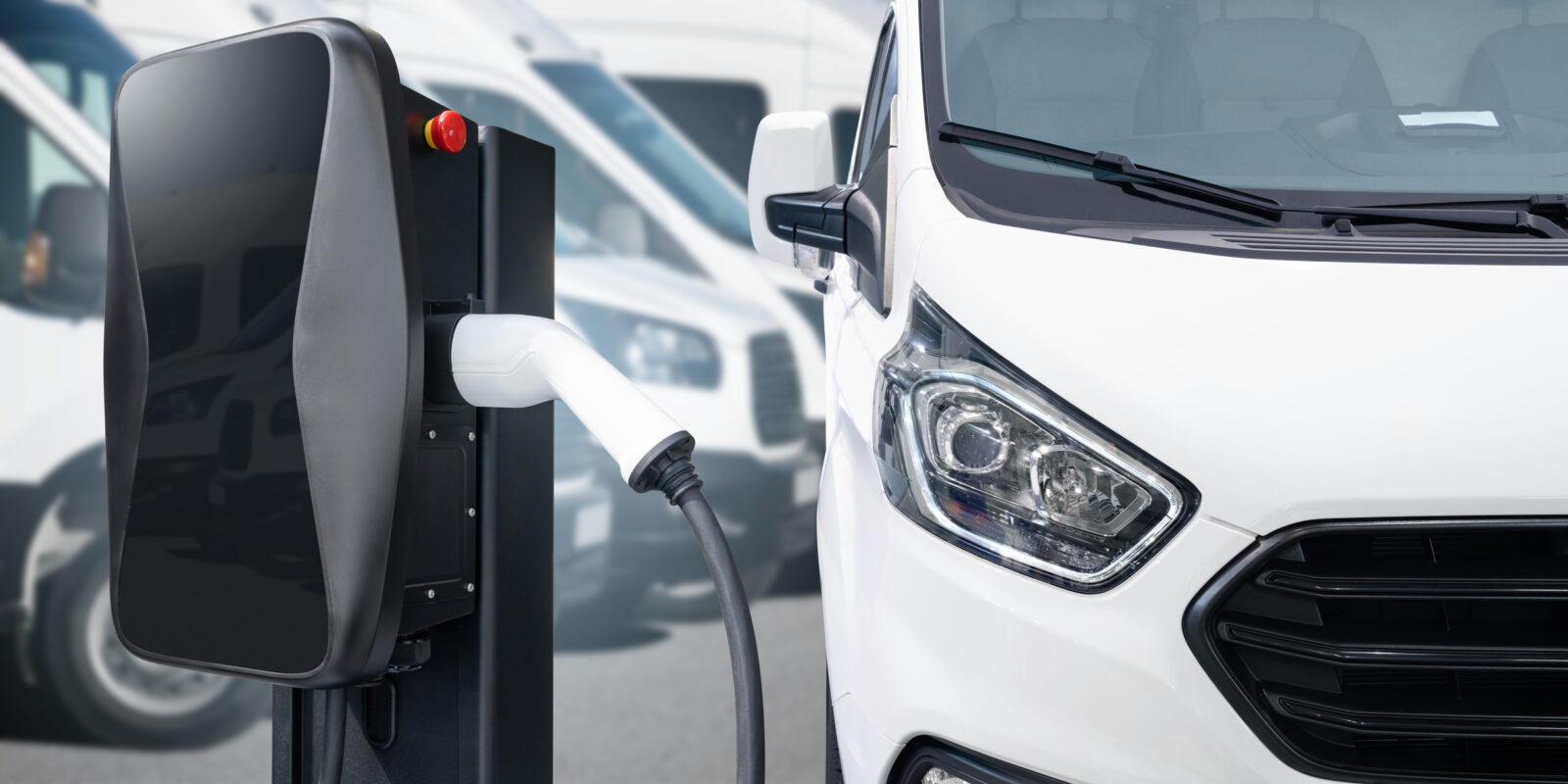
The rise of electric vehicles has led to a significant shift in the commercial sector, with electric van leasing becoming an increasingly popular option for businesses. As companies strive to reduce their carbon footprint and adapt to changing environmental regulations, electric vans offer a sustainable and cost-effective solution for their transportation needs. This growing trend has an impact on the automotive industry, causing a revolution in the way businesses approach their fleet management strategies.
Electric van leasing deals provide businesses with the opportunity to access the latest models and cutting-edge technology without the need for substantial upfront investment. From compact city vans to larger hybrid commercial vehicles, there is now a wide range of options to suit various business requirements. This article explores the top electric van models available in the UK market, delves into the key features that make these vehicles stand out, and examines the benefits of electric van leasing for businesses looking to embrace a greener future.
Electric vans have become increasingly popular in the UK market, offering businesses a sustainable and cost-effective alternative to traditional diesel vehicles. There are three main types of electric vans available: fully electric vans, plug-in hybrid vans, and hybrid electric vans.
Fully electric vans, also known as Battery Electric Vehicles (BEVs), are powered solely by a battery and electric motor. These vans produce zero emissions, making them environmentally friendly and exempt from road tax and congestion charges. BEVs offer a smooth and quiet driving experience, with instant torque and acceleration. The driving range of fully electric vans typically falls between 100-200 miles on a single charge, depending on the battery size and various factors such as weather conditions and driving style.
Plug-in Hybrid Electric Vans (PHEVs) combine a petrol or diesel engine with an electric motor and battery. These vans can be plugged in to recharge the battery, offering the flexibility of both electric and conventional power sources. PHEVs typically provide an electric driving range of 26-61 miles, making them suitable for local journeys and short-distance deliveries. The combustion engine kicks in for longer trips, providing extended range capabilities.
When comparing electric van types, businesses should consider their specific needs and usage patterns. Fully electric vans offer the greatest environmental benefits and lowest running costs but may have range limitations for long-distance travel. PHEVs provide a balance between electric and conventional power, offering flexibility for various journey types. Both BEVs and PHEVs are eligible for the government’s Plug-in Van Grant (PiVG), which can help offset the initial purchase costs.
The electric van market has seen significant growth, with several manufacturers offering innovative models to meet the increasing demand for sustainable commercial vehicles. Let’s explore some of the top electric van models currently available:
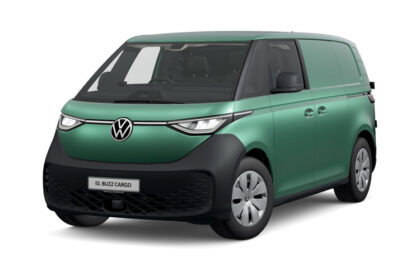
The Volkswagen ID. Buzz Cargo is a standout electric van that combines style with functionality. With a cargo volume of 3.9 cubic metres and a payload capacity of 607kg, it offers ample space for various business needs. The van boasts a powerful 201bhp electric motor, enabling it to accelerate from 0-62mph in just 10.2 seconds. Its 77kWh battery provides a theoretical range of 254 miles, making it suitable for both urban deliveries and longer journeys.
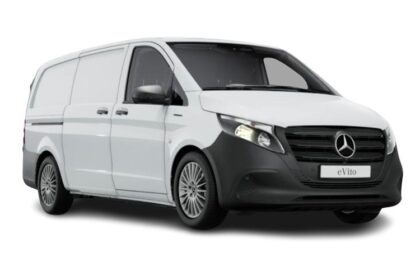
The Mercedes-Benz eVito is another impressive electric van option. It features a 66kWh battery, offering a combined WLTP range of up to 162 miles. The eVito can be rapidly charged from 10-80% in just 35 minutes, ensuring minimal downtime for businesses. With a payload allowance of up to 807kg and a maximum load volume of 6.6m3, it provides excellent carrying capacity. The van’s electric motor delivers 116 hp at peak output and up to 360 Nm of torque, ensuring efficient performance.
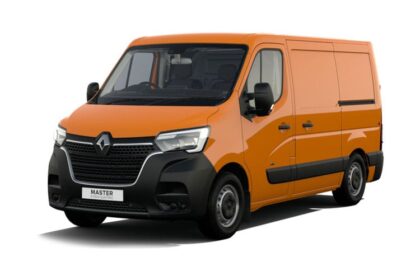 The Renault Master E-Tech has emerged as a compelling option in the electric van segment. It features an 87kWh battery pack, providing an impressive driving range of up to 285 miles on a single charge, depending on the version. The van’s electric motor produces 140hp, offering smooth and easy driving performance, particularly suited for urban environments. With a payload capacity of up to 1,625kg and a load volume ranging from 10.8m³ to 14.8m³ depending on the model, the Master E-Tech strikes a balance between carrying capacity and efficiency. Its fast charging capability allows for a full charge in just 1 hour 10 minutes when connected to a 130kW charger, making it convenient for businesses with tight schedules.
Electric vans have made significant strides in range and performance, offering businesses sustainable alternatives to traditional diesel vehicles. The driving range of fully electric vans typically falls between 100-200 miles on a single charge, depending on factors such as battery size, weather conditions, and driving style. However, it’s important to note that these figures are for comparison purposes only, as real-world ranges can vary.
The Volkswagen ID. Buzz Cargo, for example, boasts a theoretical range of 254 miles with its 77kWh battery. Meanwhile, the Mercedes-Benz eVito offers a combined WLTP range of up to 162 miles. It’s worth noting that electric vans generally consume more energy on motorways than in urban environments, unlike their diesel counterparts.
Electric van charging has become increasingly convenient, with various options available. Home charging is a popular choice, allowing owners to power up their vehicles overnight using cheaper electricity rates. For those without access to off-street parking, a £350 government grant is available towards the cost of installing a charger.
Public charging stations are also widely accessible, with fast and rapid charging points becoming more common. Rapid chargers can power the battery to 80% in as little as 30 minutes, making them ideal for long-distance travel. Many electric vans support high-power charging capabilities. For instance, the ID. Buzz Cargo can be topped up to 80% at an ultra-rapid 170+kW charger in less than half an hour.
Contrary to common perception, many electric vans offer competitive payload capacities. The Ford E-Transit, for example, has an impressive payload of 1,758kg, which is notable for an electric model. This is made possible by the government’s dispensation allowing fully electric vans to operate at a maximum gross vehicle mass (GVM) of 4.25 tonnes on a standard driving licence.
Smaller electric vans also perform well in terms of payload. The Vauxhall Vivaro Electric and its Stellantis siblings can carry up to 1,226kg, which is considerable for their size. These vans demonstrate that the transition to electric doesn’t necessarily mean compromising on carrying capacity.
Electric van leasing offers significant cost savings for businesses. The operating and maintenance costs of electric vans are lower compared to traditional vehicles. Electricity is more affordable than petrol or diesel, and electric vans require less maintenance due to fewer moving parts. Businesses can save up to 50-65% on fuel costs by charging their vans at home instead of using petrol or diesel. Even with occasional public charging, which is more expensive but quicker, the costs remain considerably lower than traditional fuel expenses.
Electric vans have a positive environmental impact, producing zero tailpipe emissions. This makes them crucial in the fight against air pollution and climate change. By switching to electric vans, businesses can significantly reduce their carbon footprint, contributing to a cleaner and healthier environment. The sustainability credentials of a company are enhanced by using electric vans, as they contribute to cleaner air wherever they travel.
The UK government offers various incentives to encourage the adoption of electric vans. These include reduced road taxes and exemption from the London Congestion Charge. The Plug-In Vehicle Grant can reduce the price of a new electric van by up to £5,000. Additionally, businesses can benefit from the Workplace Charging Scheme, which covers up to 75% of the total cost of purchasing and installing EV charge points, capped at £350 per socket for up to 40 sockets.
Electric van leasing has emerged as a game-changer for businesses looking to embrace sustainable transportation solutions. The wide range of models available, from compact city vans to larger commercial vehicles, caters to diverse business needs while offering cutting-edge features and impressive performance. This shift towards electric vans not only helps companies to reduce their carbon footprint but also provides significant cost savings in the long run.
The benefits of electric van leasing extend beyond environmental considerations. With government incentives, lower running costs, and improved charging infrastructure, businesses can enjoy both financial and operational advantages. As the technology continues to advance and more companies recognise the value of electric vans, we can expect to see a continued revolution in fleet management strategies. This transition to electric vans marks a significant step towards a greener and more efficient future for commercial transportation.
Leasing a van can present several drawbacks including restrictions on mileage, lack of ownership, and potentially higher costs over the long term. It’s essential to consider both the advantages and disadvantages to determine if leasing is the best option for your business.
Among electric vans, the Ford E-Transit Custom leads with a range of 209 miles. It is closely followed by multiple models such as the Citroën e-Berlingo, Peugeot e-Partner, Toyota Proace City Electric, and Vauxhall Combo-e, each offering around 205 miles. Other notable models include the Renault Trafic E-Tech and Renault Kangoo E-Tech with 186 miles, the Maxus eDeliver9 with 185 miles, and the Mercedes-Benz eCitan with 176 miles.
Electric vans do not emit tailpipe pollutants like CO2 and NO2, leading to significantly improved air quality. This enhancement in air quality contributes positively to the environment and offers various health benefits to the population.
To lease a van for business purposes, you will need to provide several documents: a valid ID (such as a passport or driving licence) of the owner, details of the business director, and business information including the address, status, registration number, and VAT number. Additionally, you should provide evidence of the annual net income or a bank statement covering at least the past three months.
Ready to upgrade your fleet of vans? Or want to find out more about our deals? Contact us today or call direct 01642 793444 to find the perfect leasing option for you. View our full range online.