

Mon to Thu 09:00 – 17:30
Fri 09:00 – 17:00
The vehicle leasing industry is changing fast. New technology, different customer wants, and shifts in the economy drive this change. As we look ahead, several new trends will change how people and companies lease vehicles. This article looks at these trends and gives insights into what’s coming for this fast-moving industry. The landscape of vehicle leasing is evolving, and understanding these trends is crucial for both consumers and businesses alike.
The drive to be sustainable and cut carbon emissions has a significant impact on how people are buying electric vehicles (EVs). Companies that lease cars are adding more EVs to what they offer. This is happening because customers want it and new rules are pushing for it. This change helps the environment and also saves money on gas and upkeep. As more consumers become environmentally conscious, the demand for EVs is expected to rise sharply. Leasing companies are responding by expanding their fleets to include a wider variety of electric models, catering to the growing interest in sustainable transport options.
Moreover, the infrastructure for charging EVs is improving, making it easier for customers to adopt these vehicles. With advancements in battery technology, the range of electric vehicles is increasing, alleviating concerns about running out of charge during long journeys. This shift not only benefits the environment but also aligns with the financial interests of consumers, as electric vehicles typically have lower operating costs compared to traditional petrol or diesel cars.
Self-driving cars represent a significant step forward in automotive technology. While we don’t see self-driving cars everywhere yet, more and more vehicles are being equipped with some self-driving features. This is changing how leasing works. Companies are looking at how these cars can cut costs and make driving safer. The potential for reduced accidents and improved traffic flow could lead to lower insurance premiums, which would be an attractive selling point for leasing companies.
As self-driving technology continues to develop, it is likely that leasing companies will offer specific packages that include these advanced features. This could attract a new demographic of customers who are interested in the latest technology and the convenience it offers. Additionally, the integration of self-driving capabilities could lead to new business models, such as shared leasing services where multiple users can benefit from a single vehicle, further enhancing the appeal of leasing over ownership.
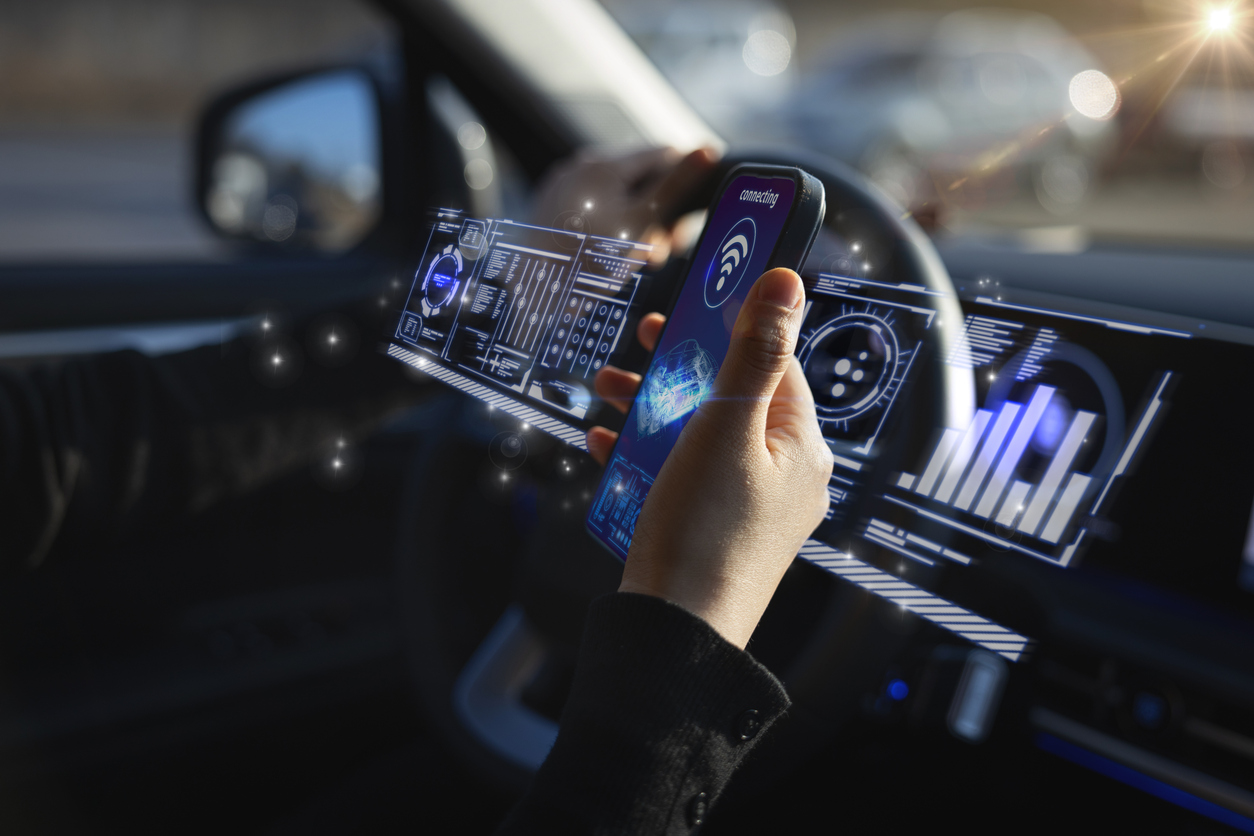
The Internet of Things (IoT) has a profound impact on vehicles, turning them into connected devices. This connection enables real-time checks on vehicle performance, maintenance forecasts, and better customer experiences. Leasing firms can use this information to create custom leasing plans and boost fleet management. With vehicles that can communicate their status, leasing companies can proactively manage maintenance schedules, reducing downtime and enhancing customer satisfaction.
Furthermore, the data collected from connected vehicles can provide insights into driving habits and preferences, allowing leasing companies to tailor their offerings even more closely to individual customer needs. This level of personalisation is becoming increasingly important in a market where consumers expect services to be tailored to their specific requirements. The integration of IoT technology not only improves operational efficiency but also enhances the overall leasing experience for customers.
People now prefer flexibility over ownership. Models based on subscriptions, which let users switch vehicles without long-term promises, are becoming more popular. This trend fits with the wider move towards a sharing economy. Subscription services allow consumers to choose from a variety of vehicles based on their needs, whether it’s for a weekend getaway or a daily commute. This flexibility is particularly appealing to younger generations who value experiences over possessions.
As subscription models gain traction, leasing companies are adapting their business strategies to accommodate this shift. They are developing user-friendly platforms that allow customers to easily manage their subscriptions, including vehicle selection, payment options, and service requests. This convenience is likely to attract a broader audience, including those who may have previously considered leasing too complicated or inflexible.
Customers today want personalised experiences in all parts of their lives, including car leases. Companies that lease cars use data analysis to provide tailored lease terms, car options, and service packages that match what each person likes. This trend towards personalisation is driven by advancements in technology that allow companies to gather and analyse customer data more effectively.
By understanding individual preferences and behaviours, leasing companies can offer customised solutions that enhance customer satisfaction. For instance, a customer who frequently travels for work may benefit from a lease that includes additional mileage or a premium vehicle, while a family may prefer a spacious SUV with safety features. This level of personalisation not only improves the customer experience but also fosters loyalty, as consumers are more likely to return to a company that understands and meets their unique needs.
Changes in the economy shape how people act and their desire to lease. When times are uncertain, leasing becomes more appealing because it costs less upfront and has less financial risk than buying. Economic downturns often lead consumers to reconsider their spending habits, and leasing offers a more manageable financial commitment.
In addition, businesses may prefer leasing as a way to maintain flexibility in their operations. By leasing vehicles, companies can avoid the large capital expenditures associated with purchasing, allowing them to allocate resources to other areas of their business. This trend is likely to continue as economic conditions fluctuate, making leasing an attractive option for both individuals and businesses looking to navigate uncertain times.
Governments around the world are putting new rules in place to push for greener transportation. These rules, like targets for emissions and rewards for electric vehicles, are changing the leasing scene by encouraging people to choose cleaner cars. As regulations become stricter, leasing companies are adapting their offerings to comply with these new standards while also appealing to environmentally conscious consumers.
Incentives for electric vehicle adoption, such as tax breaks or rebates, are making leasing EVs more financially attractive. Leasing companies are likely to promote these benefits to attract customers who are looking to reduce their carbon footprint. Additionally, as governments continue to prioritise sustainability, the leasing industry will need to stay ahead of regulatory changes to remain competitive and relevant in the market.
Digital platforms have a significant influence on the leasing experience. Consumers can now browse, evaluate, and lease vehicles online. This ease of use has an impact on the growth of online leasing platforms, which provide clarity and productivity. The convenience of being able to complete the entire leasing process from the comfort of one’s home is appealing to many consumers, especially those with busy lifestyles.
Online platforms also allow for greater transparency in pricing and terms, enabling customers to make informed decisions. As more consumers turn to digital solutions for their leasing needs, companies that invest in user-friendly online platforms are likely to gain a competitive edge. The ability to compare different leasing options and read customer reviews online can significantly influence a consumer’s choice, making it essential for leasing companies to maintain a strong online presence.
Blockchain technology is emerging as a game-changer in the vehicle leasing industry. By providing a secure and transparent way to record transactions, blockchain can enhance trust between leasing companies and customers. This technology can streamline processes such as contract management, payment processing, and vehicle history tracking, making leasing more efficient and reliable.
Moreover, blockchain can facilitate the sharing of data between different stakeholders in the leasing process, including manufacturers, leasing companies, and customers. This interconnectedness can lead to improved service delivery and customer satisfaction. As the industry continues to evolve, the adoption of blockchain technology may become a key differentiator for leasing companies looking to enhance their operational efficiency and customer trust.
In conclusion, the future of vehicle leasing is being shaped by a combination of technological advancements, changing consumer preferences, economic factors, and regulatory influences. As the industry adapts to these trends, both consumers and businesses will benefit from more flexible, personalised, and sustainable leasing options. Understanding these developments will be crucial for anyone looking to navigate the evolving landscape of vehicle leasing in the years to come.
Leasing firms are beginning to adopt green practices to meet environmental targets and respond to consumer demand for sustainability. These practices include offering green vehicles, such as hybrids and electric cars, setting up carbon offset programmes, and promoting sustainable methods in their operations. By prioritising eco-friendly options, leasing companies can attract environmentally conscious customers and contribute to a more sustainable future.
The concept of a circular economy is gaining traction in the leasing sector. This model emphasises the reuse and recycling of vehicles and parts, which helps to cut down on waste and extend the lifespan of leased vehicles. By adopting circular economy principles, leasing firms can reduce their environmental impact while also appealing to consumers who value sustainability.
The future of vehicle leasing is poised for significant transformation. New technologies, evolving consumer preferences, economic factors, and a strong focus on sustainability are all driving substantial changes in the industry. Leasing firms that embrace these trends and adapt their strategies accordingly will be well-positioned to thrive in this dynamic landscape.
Ready to upgrade your vehicle? Or want to find out more about our deals? Contact us today or call direct 01642 793444 to find the perfect leasing option for you. View our full range online.
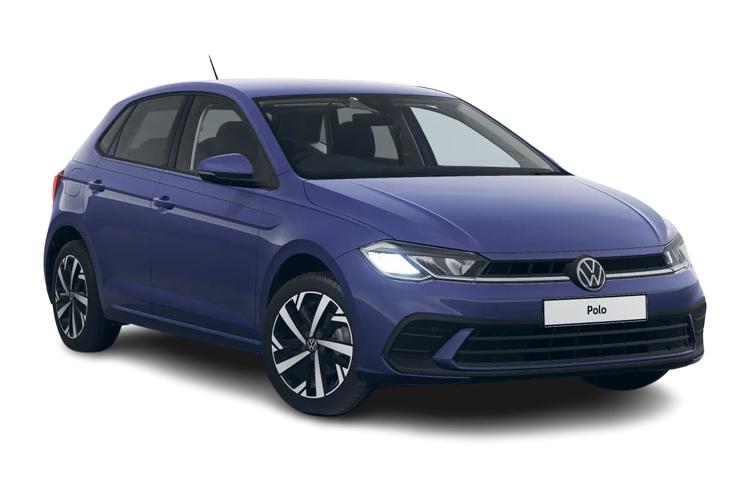
Volkswagen POLO
1.0 TSI Match 5dr
£258.49
per month excl. VAT
Initial rental £3,101.88
Volkswagen POLO
1.0 TSI Match 5dr
£258.49
per month excl. VAT
Initial rental £3,101.88
Volkswagen POLO
1.0 TSI Match 5dr
£258.49
per month excl. VAT
Initial rental £3,101.88
Volkswagen POLO
1.0 TSI Match 5dr
£258.49
per month excl. VAT
Initial rental £3,101.88
Volkswagen POLO
1.0 TSI Match 5dr
£258.49
per month excl. VAT
Initial rental £3,101.88
Volkswagen POLO
1.0 TSI Match 5dr
£258.49
per month excl. VAT
Initial rental £3,101.88
Volkswagen POLO
1.0 TSI Match 5dr
£258.49
per month excl. VAT
Initial rental £3,101.88
Volkswagen POLO
1.0 TSI Match 5dr
£258.49
per month excl. VAT
Initial rental £3,101.88