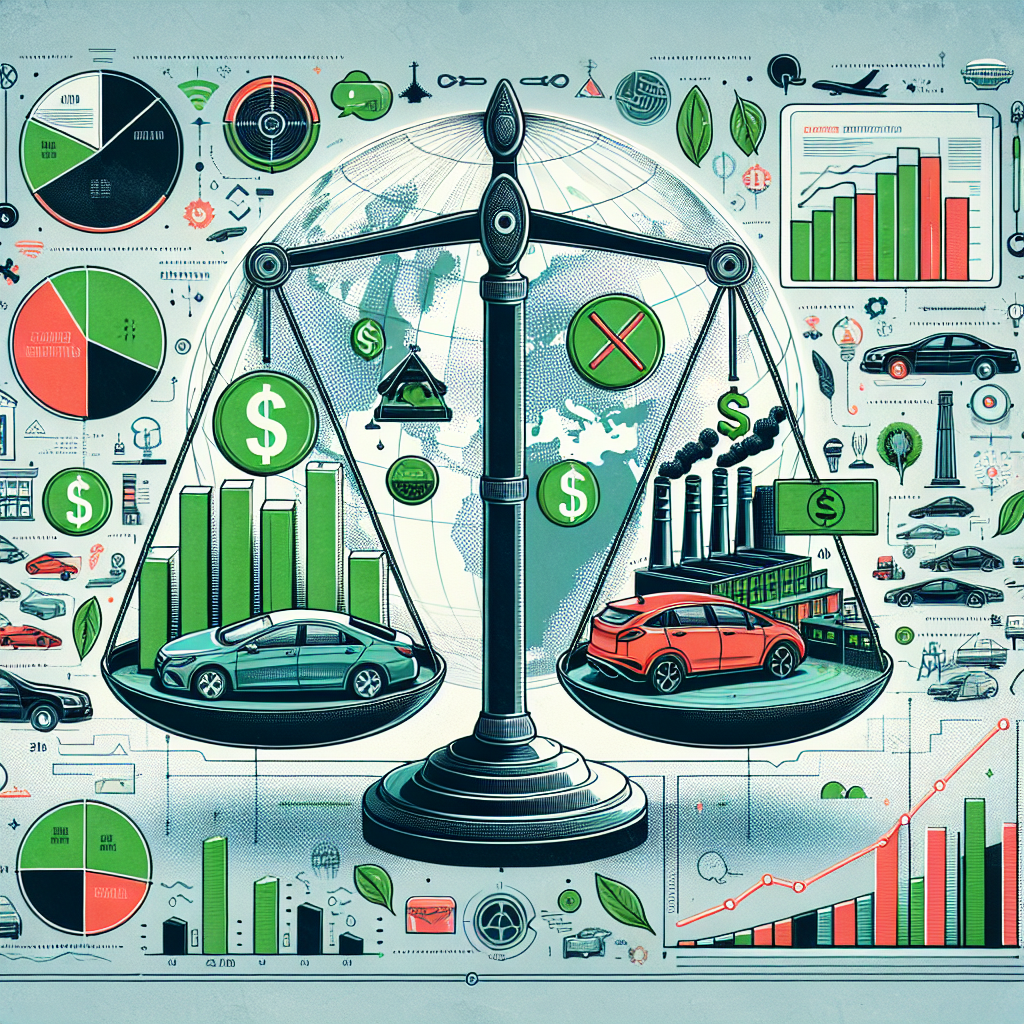
How Leasing and Owning Vehicles Affects the Environment

07 / Oct / 2024

The transportation sector has a big impact on global carbon emissions making up over 20% of global CO₂ emissions from burning fossil fuels. As people understandably worry more about climate change, the decision between leasing and owning vehicles has become more important for planet conscious consumers.

This article aims to take a look at the environmental impacts of these two options providing useful insights to support smart choices that match your sustainability goals.

Understanding Leasing and Owning


Firstly we’ll quickly look to understand these two different ways of getting / owning a car so that as we look at the environmental influences we can look at them in context.

What is Leasing?

Leasing a vehicle is effectively the process of borrowing a vehicle for a predetermined period of time with a predetermined mileage allowance. For all intents and purposes the car is yours for the duration of the contract but once your contract is up you can hand the car back and move on to another. In summary leasing typically involves:

  • Monthly payments that often cost less than loan payments to buy a vehicle
  • Mileage limits (10,000 to 15,000 miles each year)
  • Taking care of regular upkeep, but the warranty often covers big repairs
  • The choice to give back the vehicle or buy it when the lease ends

Leasing attracts people who like to drive newer models with the latest tech and safety features without owning the car long-term.

What is Owning?

Owning is the more commonly understood process of getting a car. You can finance it in multiple different ways but typically owning a vehicle involves:

  • Buying the vehicle outright or getting a loan to finance it
  • Taking on all responsibility to maintain and repair it
  • Driving without any limits on mileage
  • Having the freedom to change or sell the vehicle whenever you want
  • saving money in the long run if you keep the car for a long time

When you own a car, you have more control and options, but you need to invest more money upfront and keep paying for upkeep.

The Environmental Impact of Vehicle Manufacturing

Energy and Resource Consumption

The process of making vehicles uses a lot of resources and has a big impact on the environment. A study by the European Environment Agency found that making an average European car creates about 15-20% of all the greenhouse gases it will produce in its lifetime.

This includes:

  • Getting and processing raw materials (steel, aluminium, plastics etc.)
  • Using energy in factories where cars are put together
  • Moving parts and moving finished cars around

To give you an idea, making a medium-sized electric vehicle (EV) battery can release 2.5 to 4 tons of CO₂. In comparison, making a typical gas-powered car releases about 5.6 tons of CO₂.

Leasing vs. Owning

So we’ve looked at the different methods of car ownership. Let’s take a look at how they stack up environmentally.

The environmental effects of manufacturing when it comes to leasing vs. owning can be examined like this:

  • Leasing: Promotes more regular car replacement, which might cause an increase in production and related emissions. Yet, it also makes sure newer more eco-friendly models are being used.
  • Owning: Can lead to people keeping their vehicles longer, which cuts down on how often new cars are made. This can reduce overall manufacturing emissions but might keep older less efficient cars on the road for a longer time.

So there’s a balance between the two but is there a point where an older cars emissions are more significant than the impact of the production of a new car, we’ll explore that further.

Usage Phase: Fuel and Emissions

Fuel Efficiency

New car tech has boosted fuel efficiency in recent years:

  • Cars with modern internal combustion engines can get up to 30% better mileage compared to models from ten years ago.
  • Hybrid cars use 20-35% less fuel than similar non-hybrid models.
  • Electric cars are about 3-4 times more efficient in their energy use than internal combustion engine cars.

Emissions

The amount of emissions during the time a car is used depends on its type and age:

  • Newer car models release fewer greenhouse gases because of better technology and tougher emissions rules.
  • Electric cars don’t produce any exhaust emissions, but their overall effect on the environment depends on where their electricity comes from.

When you think about leasing vs. buying from a purely emissions during use basis:

  • Leasing: lets you drive newer, cleaner cars that use less fuel.
  • Owning: Might mean you keep an older car that pollutes more, unless you buy a new one often.

Maintenance and Repair

Environmental Costs of Maintenance

Regular upkeep uses resources and can affect the environment:

  • Oil changes need new oil to be made and old oil to be thrown away.
  • New parts cause pollution when they’re made and use up resources.
  • If fluids and parts aren’t thrown away, they can harm the environment.

Longevity and Efficiency

Cars that get good care, whether you lease or own them use less fuel and pollute less. 

However:

  • Owned vehicles: Owners are more likely to put money into long-term upkeep, which can make their cars last longer and cut down on the need to make new ones.
  • Leased vehicles: While leases usually require maintenance, people might not focus as much on long-term care since they’ll give the car back after a few years.

End-of-Life Considerations

Getting Rid of and Reusing

When cars reach the end of their life how we get rid of them and recycle them matters a lot for the environment:

  • People can recycle about 80% of a typical car (by weight).
  • Good recycling means we need fewer new raw materials and less energy to make cars.

Effect on Nature

The environmental effects of getting rid of vehicles differ:

  • Leasing: Leasing firms often have set methods to recycle or resell cars efficiently, which can result in better handling at the end of a car’s life.
  • Owning: People who own cars might not have easy access to the best recycling ways, though many nations have rules to make sure cars are disposed of.

Economic and Policy Influences

Government Policies

Government rewards and rules have a big impact on what people choose:

  • Many countries give tax breaks to buy electric or hybrid cars.
  • Tougher rules on emissions push car makers to produce more efficient vehicles.

Market Trends

Current patterns show a move towards more eco-friendly transport options:

  • Electric vehicle sales worldwide hit 7.3 million units in 2022 showing big growth.
  • More and more people choose to lease electric vehicles giving them a chance to try new tech without getting stuck with it.

Conclusion

Choosing to lease or own a car has big effects on the environment. Leasing often gives you access to newer more efficient models, but it might cause more cars to be made. Owning can cut down on manufacturing emissions by keeping cars longer, but you might end up driving older less efficient vehicles.

In the end, the best choice for the environment depends on your own situation, how you drive, and what options you have. Car buyers should think about:

  1. How many miles they drive each year and how this fits with lease agreements.
  2. Whether fuel-efficient or electric cars are easy to find where they live.
  3. If they’re able and willing to keep up a car for many years.
  4. Local rules and perks for green vehicles.

When buyers think hard about these things and put fuel savings and low pollution at the top of their list, they can pick a car that matches what they believe about the environment and still gets them where they need to go. With AVL we sell a wide range of different cars from electric cars to hybrids and petrols. It would be easy for us to be biassed towards leasing, but there are different perspectives based on your own needs. If you drive very low miles environmentally a lease car may not be the most efficient choice. However if you drive high miles or average miles and your current options aren’t environmentally friendly it can be beneficial to lease an environmentally friendly vehicle. Environmental considerations are a very important consideration but they’re also one component of vehicle ownership. If a lease is more affordable than maintaining your current car, leasing a current car may be better.

Get a Callback

Want to discuss your options, get some advice or just ask a question?

Just fill in some details below and one of our experts will get in touch at a time convenient to you to see how we can help!

This field is for validation purposes and should be left unchanged.

Please note, Advanced Vehicle Leasing is a broker, not a lender.

This field is hidden when viewing the form